Hotels and Accommodation: Preventing Bed Bugs, and What to Do When a Guest Reports One
In hospitality, a bed bug is not an insect problem: it is a room out of service and a review that stays online. The protocol matters more than the product.
In brief
In a hotel, bed bugs are not measured by the number of insects but by how fast they are found. A report handled while it still concerns one room costs a fraction of a floor-wide spread. Three things make the difference, and none of them is a product: housekeeping staff who know where to look, a reporting protocol nobody improvises, and an absolute ban on spraying anything before the intervention. Everything else — encasements, interceptors, turnover inspections — simply puts those three in place.
Why accommodation is a special case
A treated home can stay clear for a long time: entry points are few and controllable. A hotel cannot — for structural reasons, not negligence.
- The vector arrives with the guest. A suitcase placed on a bed is enough. You control neither where your guests come from nor what is in their luggage, and you cannot inspect them.
- Turnover is constant. Where an apartment building sees one household per unit per year, you see hundreds.
- Rooms are adjacent. Bed bugs travel through baseboards, conduits and party walls. One untreated room beside a treated one, and the file starts over.
- Linen circulates. A housekeeping cart moving from an infested room to a clean one carries the problem, unless the procedure says otherwise.
In other words: zero risk does not exist in accommodation, and an establishment that receives a report is not a dirty establishment. What separates a good one from a bad one is what happens in the hours that follow.
The real cost is not the treatment
This is the most common miscalculation. Treating a room is a known, one-time expense, and a small one next to the rest.
The room out of service. A room you cannot sell during preparation, intervention and verification is straight lost revenue — multiplied by the number of rooms affected if you waited.
The online review. This is the most lasting cost, and it is asymmetric: a review mentioning bed bugs stays readable for years, surfaces near the top of results for your establishment's name, and outweighs twenty positive reviews. No extermination erases it.
The guest on site. Rehousing, compensation, cleaning personal belongings: the bill often exceeds the treatment itself.
Hence the logic of the protocol: it is not designed to save on treatment, but to keep the incident down to one room.
What housekeeping should inspect
Housekeeping enters every room, every day. That is your detection network, and setting it up costs nothing but training. Four zones, in order:
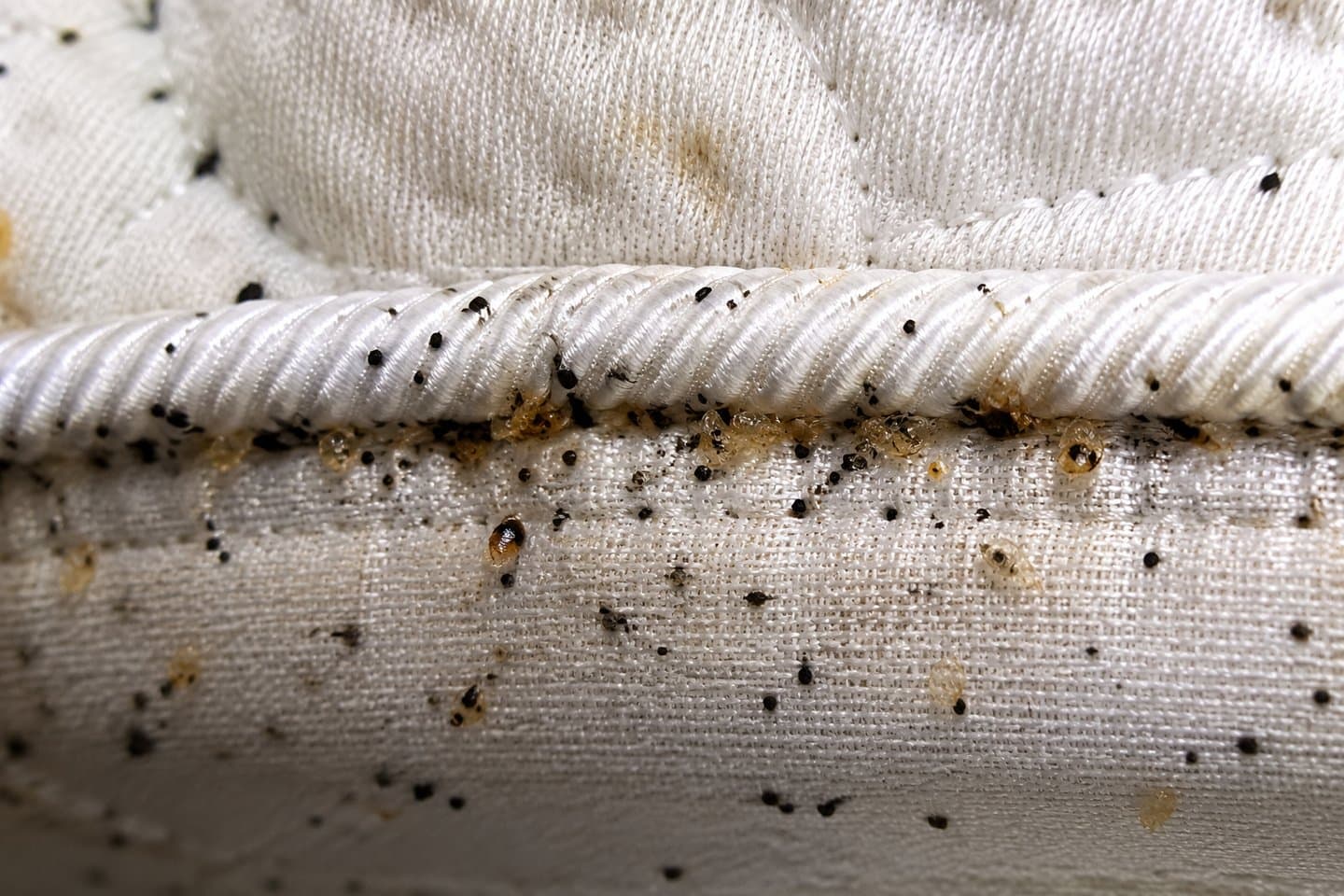
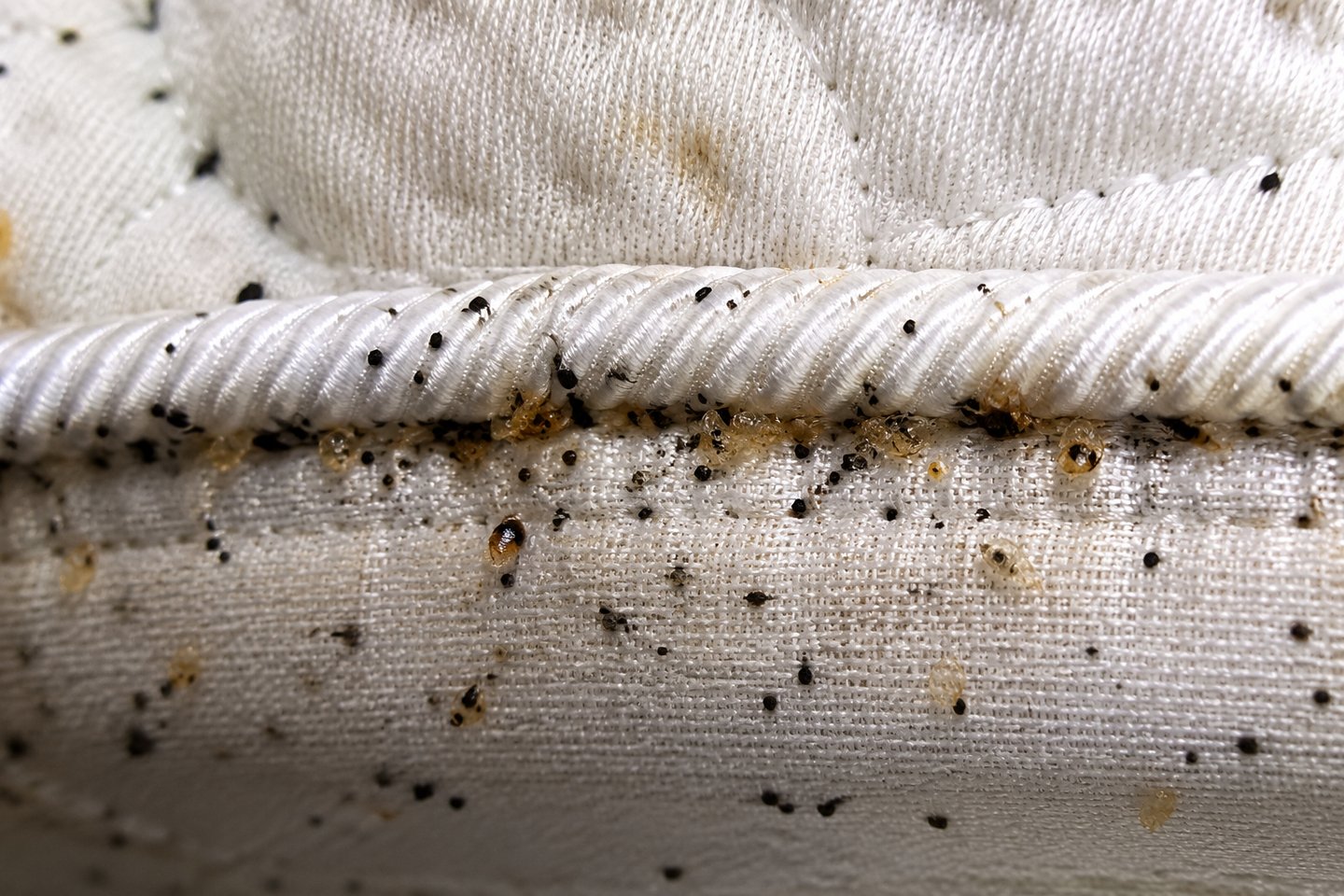
- Mattress seams and piping, especially at the four corners and along the edge. Traces show up there before any insect does.
- The box spring, particularly underneath and along the staples of the fabric. The most common hiding place, and the least inspected.
- The headboard, especially its back face when it is fixed to the wall. The number one spot in many establishments.
- The immediate surroundings: nightstand, baseboards behind the bed, bed frame, wall joints.
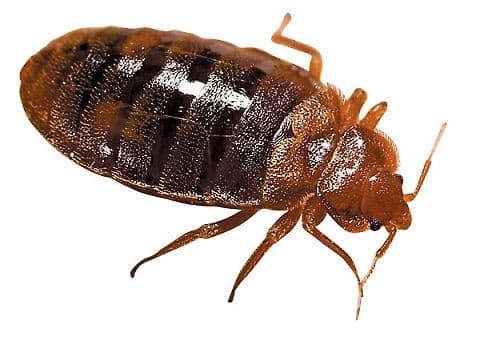
What you are looking for is not the insect — it is nocturnal and it hides. You are looking for traces: small black ink-like specks on light seams, translucent shed skins, sometimes blood stains on the bedding.
The reporting protocol
A mishandled report costs more than the report itself. Here is the order that works.
1. Move nothing. Not the mattress, not the furniture, not the linen, not the guest's belongings into another room. This is the mistake that turns one room into one floor.
2. Isolate the room. Pull it from sale immediately, close the door, and skip the usual cleaning — the cart and the vacuum are vectors themselves.
3. Record what was seen, and where. A photo beats a description. The technician uses it to confirm the species before treating: several insects look like bed bugs, and treating the wrong pest loses days.
4. Flag the neighbouring rooms. Beside, above and below. They are part of the file whether or not they show signs.
5. Call. Before buying anything.
The most expensive mistake
It is almost always the same one: spraying a store-bought insecticide before the intervention.
Bombs and surface sprays act as repellents. They kill a few visible individuals and scatter the rest: into walls, into baseboards, toward the room next door. A sprayed room reaches us with an infestation that is wider and harder to locate than a room left alone. In cost terms, it is the most expensive decision in the protocol.
Second mistake, less known: throwing out the mattress. It is an immediate, budget-visible expense and almost always pointless — bed bugs do not live only in the bed, and carrying an infested mattress down a corridor contaminates that corridor. The technician will say what can be treated and kept.
Structural prevention
Once the protocol is in place, a few fittings durably reduce the risk and, above all, make detection faster.
- Full-zip mattress and box spring encasements. Their value is not only protection: a smooth encasement makes traces immediately visible, where a mattress seam hides them.
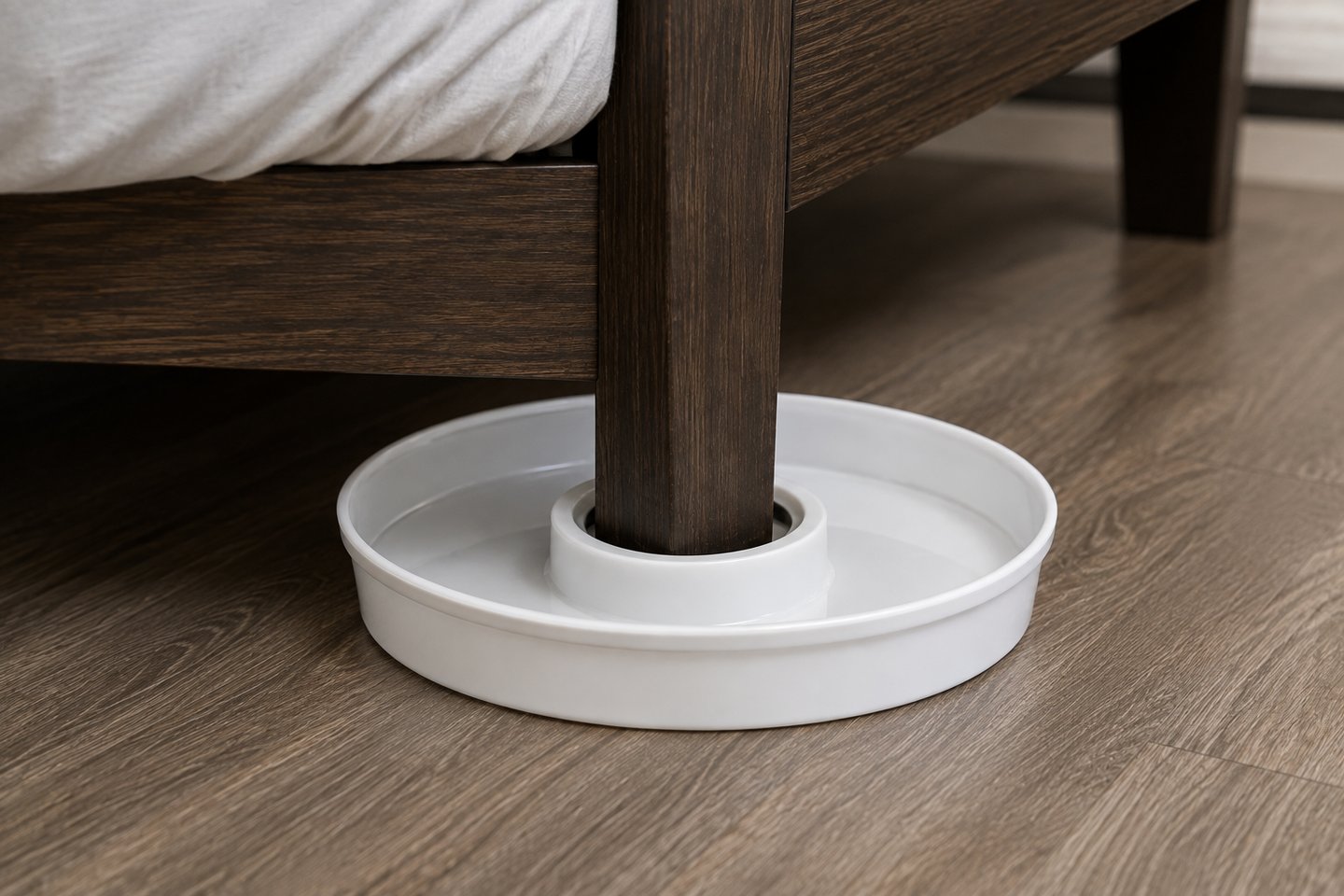
- Interceptors under the bed legs. Discreet, passive, product-free. They turn a visual inspection into a reading: you check the cup instead of dismantling the bed.
- Metal luggage racks, away from the bed. Luggage is the number one vector; not inviting it onto the bed costs nothing.
- Reduce harbourages. Less unnecessary fabric, no lifting carpet, baseboards and joints in good condition, removable headboards rather than sealed to the wall.
- Turnover inspection. The four zones above, built into the turndown procedure — not an annual inspection, a daily habit.
Treatment: what a serious intervention includes
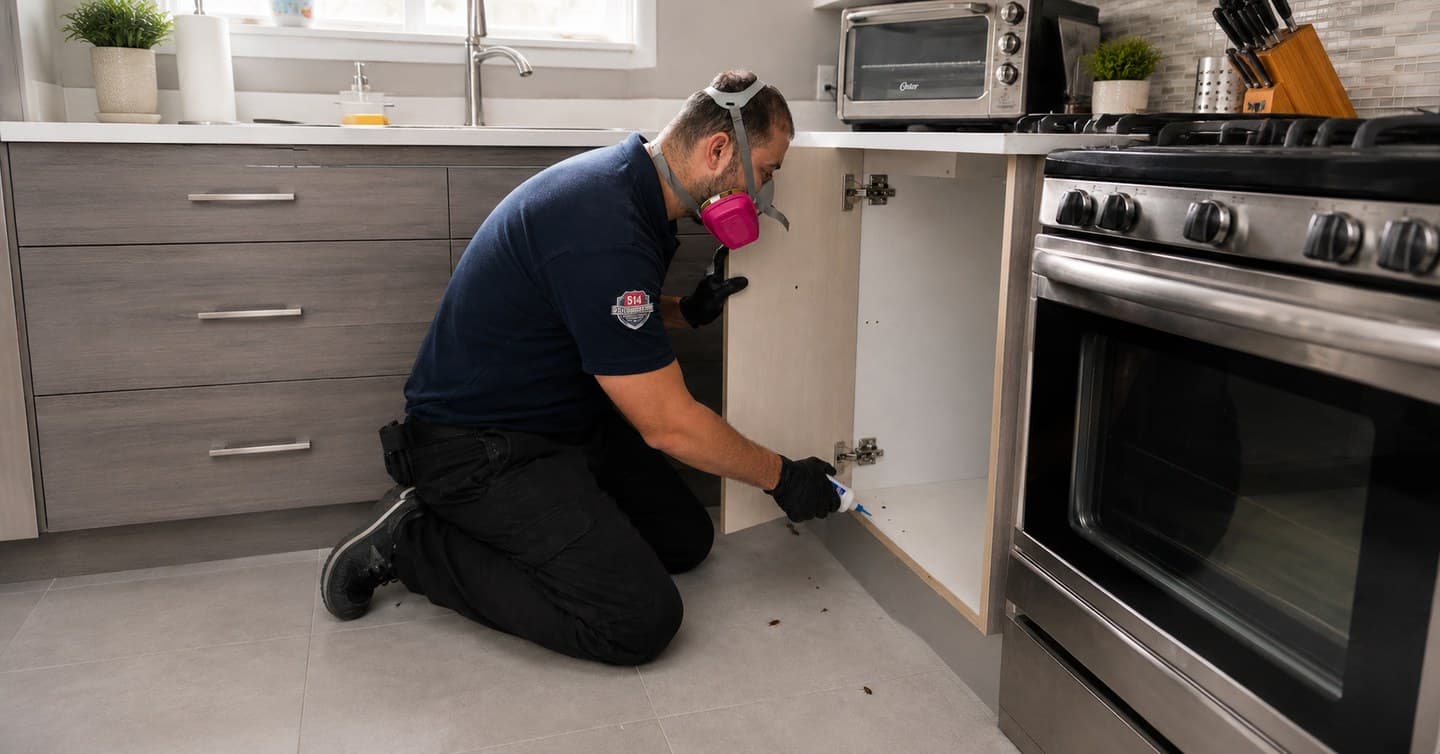
Our primary bed bug method is a discreet biological barrier, applied in strategic areas. Bed bugs cross it, return to their harbourage, and the treatment then acts on the infestation. Added to that: steam on the mattress and on surfaces where no product can be applied, plus targeted treatment of structural harbourages.
Two practical consequences for a hotelier:
- The effect persists for weeks after the visit. Eggs present on the day hatch afterwards, and the young encounter the treatment in turn. That is what settles most files in a single intervention, with no scheduled second pass and no room taken out of service twice.
- Activity does not stop instantly. Bed bugs have to cross the barrier, so you may still see some in the first days. That is expected, and we say so before the intervention rather than after.
A follow-up inspection verifies that activity is declining as expected. If it persists, we come back at no charge under the written guarantee.
Neighbouring rooms — beside, above, below — are inspected during the same visit. Treating one room alone moves the colony next door, and it comes back.
The other pests in accommodation
Bed bugs dominate reports, but they are not alone.
- Cockroaches — kitchen, laundry, service rooms. Same constraints as in restaurants: gel bait into cavities and motor housings, never surface spraying. If your establishment serves meals, the food side adds to the accommodation side: see our article on food establishment inspection.
- Mice — receiving docks, waste rooms, service voids. Trapping alone does not hold: it is the entry points that must be sealed, otherwise the population simply renews itself.
- Drain flies — floor drains, little-used traps, bathrooms in long-vacant rooms. Treatment targets the biofilm in the pipe, not the insect in flight.
How we work in hospitality
Our accommodation interventions are designed not to be noticed:
- Outside peak hours, around your arrivals and departures.
- Unmarked vehicle. No markings: neither your guests in the lobby nor your neighbours learn anything from our presence. It is the first request most of our commercial clients make.
- CD5-certified technicians and Health Canada approved products.
- Preparation instructions provided before the visit, adapted to how a hotel runs — preparation decides the outcome, and a good treatment fails in a poorly prepared room.
- Written guarantee handed over at the end of the intervention.
- Free inspection and quote, no obligation: we assess on site and you decide afterwards.
We serve Montreal, Laval, the South Shore and the North Shore. For a multi-unit establishment, work is planned by floor or by wing rather than room by room.
Summary table
| Question | Short answer |
|---|---|
| Does a report mean the hotel is dirty? | No. The vector arrives in luggage. What counts is how fast you react. |
| First thing to do? | Move nothing, pull the room from sale, photograph, call. |
| First thing not to do? | Spray a store-bought insecticide. It scatters the infestation. |
| Throw out the mattress? | Almost never. The technician decides after inspection. |
| Neighbouring rooms? | Inspected in the same visit: beside, above, below. |
| How many interventions? | One in most files, since the treatment keeps acting for weeks. |
Going further
- Bed bugs: methods, costs and legal framework — the treatment comparison, limitations included.
- Preparing the premises before treatment — the checklist we give our clients.
- Our commercial services — buildings, restaurants, accommodation.
A report in progress? Call (514) 835-2108. Inspection and quote are free, and the intervention is scheduled outside your peak hours.
Frequently Asked Questions
A guest reports bed bugs: should we move them to another room?
How long does the room stay out of service?
Should we treat every room on the floor as a precaution?
Will your technicians be identifiable to our guests?
Can a preventive inspection programme be set up?
Does a report mean our establishment is poorly maintained?
Need a professional exterminator?
Contact us for a free evaluation and a treatment plan tailored to your situation.