
Insects
Black Field Ant
The black field ant builds large outdoor nests and can form very populous colonies. It invades patios, walkways and enters homes in summer.
Active infestation? Don't wait — a certified technician responds within 4 hours, 24/7.
How to identify
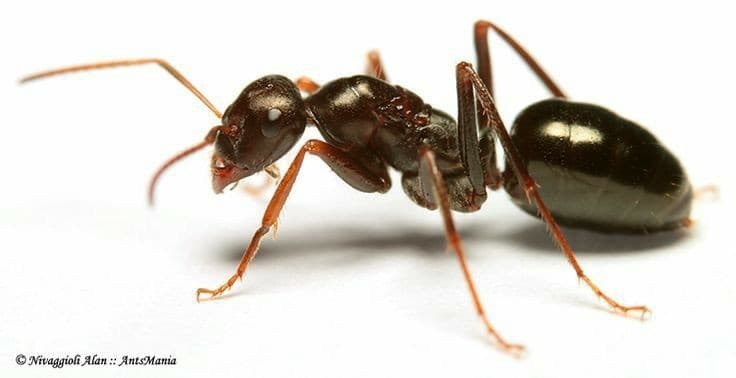
Black or very dark brown ant, slightly larger than the brown field ant. Shiny body.
Typical habitat
Large nests in soil, under stones, patio slabs and along foundations. Sometimes very large colonies.
Health risks
It poses no major health danger and generally doesn't sting, but a populous colony becomes a significant nuisance and can displace soil under slabs and paving.
The complete guide
Overrun by black ants? We eliminate the colony.
These colonies often have several queens: killing workers isn't enough. We target the source for a lasting result.
📞 Call (514) 835-2108The black ant: general information
The black field ant (Formica subsericea and related Formica species) is one of the most widespread ants in Quebec. It's found in meadows, fields, boreal forests, sandy environments and peat bogs, but also around homes, along sidewalks and in lawns. Unlike the carpenter ant, it doesn't excavate structural wood: it nests in soil, under stones and slabs, and enters homes mainly to forage.
Physical description
Its colour ranges from black to silvery grey or dark brown depending on species. Its body is thin and slender, clearly less robust than the carpenter ant's. Approximate sizes:
- Workers: 4.5 to 7 mm
- Males: 7 to 8 mm (permanently winged)
- Queens: 8 to 13 mm, with a more massive body; winged when young, they shed their wings after mating
Lifestyle, biology and reproduction
- Lifespan: males a few days, workers a few weeks to a few months, queens 10 to 25 years.
- Development from egg to adult in about 3 to 5 weeks; each stage (egg, larva, pupa) occupies a dedicated nest chamber.
- Nuptial flight in late spring; egg-laying begins in early summer. After mating, the queen sheds her wings and founds a colony.
- Important trait: these colonies are often polygynous — a single nest can house several queens, making the colony more resilient and harder to eradicate.
Diet and aphid "farming"
The black ant feeds on live or dead arthropods, aphid/scale honeydew, tree sap and nectar. Notable behaviour: it "farms" aphids on garden plants to harvest their sweet honeydew. That's why a black-ant infestation often goes hand in hand with aphids — treating one helps control the other.
Signs of presence at home
- Worker trails on surfaces, counters and baseboards
- Dirt or sand mounds in the lawn, between slabs or along foundations
- Aphid colonies on garden plants
- Food invasion, especially sweet and greasy items
- Larvae, workers, pupae or eggs visible under stones and pots
Black ant or carpenter ant?
They're confused, but the distinction changes the treatment:
- The black field ant has a thin slender body, nests in soil and doesn't attack structural wood. Its bite is mild.
- The carpenter ant is noticeably larger and more robust, and excavates wood (structural risk). See our carpenter ant page.
When in doubt, a professional identification avoids an unsuitable treatment.
Our professional method
Polygynous colonies (multiple queens) often resist home remedies. Our approach:
- Inspection to locate the nest(s) (soil, slabs, walls) and entry points.
- Targeted baits carried by workers back to the queens — essential when there are several.
- Residual treatment at the perimeter and entry points (takes time; a follow-up visit may be needed).
- Aphid control and exclusion recommendations (sealing, moisture, slab cracks).
- Written guarantee, Health Canada approved products, CD5-certified technicians.
Frequently Asked Questions
Is the black field ant dangerous to the house?
Why do black ants keep coming back despite my treatments?
Why are there aphids at the same time as the ants?
How do I tell a black ant from a carpenter ant?
How do I prevent black ants around the house?
What our clients say
« Quick response and detailed explanation of the work being carried out. It was a pleasant experience in general. Thanks. »
« They were professional and responded quickly. I feel at ease now! »
« They got a good sense of humour. I liked them. Especially the one with glasses »
Black Field Ant problem? We respond within 4 hours
Montreal, Laval, South Shore, North Shore. Written guarantee, certified technician, unmarked vehicle.
PRACTICAL GUIDES
Before and after your treatment
Good preparation doubles treatment effectiveness, and knowing what to watch for afterward saves a lot of worry.
Ants exterminator by area — Greater Montreal, Laval, South Shore
Other similar pests
Bed Bug
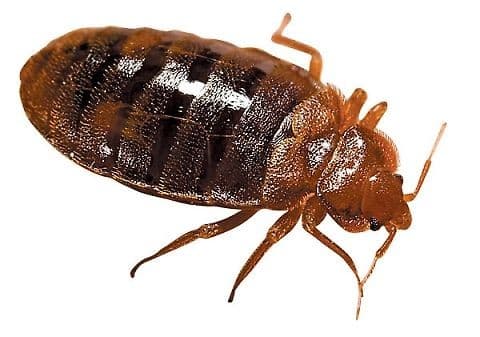
The bed bug is a parasitic insect that feeds on human blood during sleep. Montreal is one of the most affected cities in Canada.
Cockroach
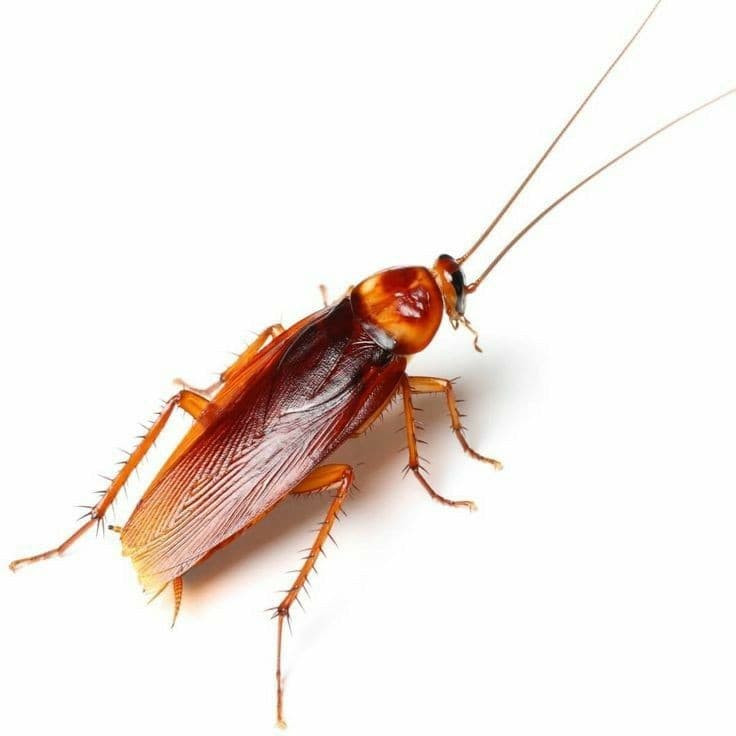
Cockroaches are extremely resilient nocturnal insects. They reproduce quickly and can infest an entire building within weeks.
American Cockroach
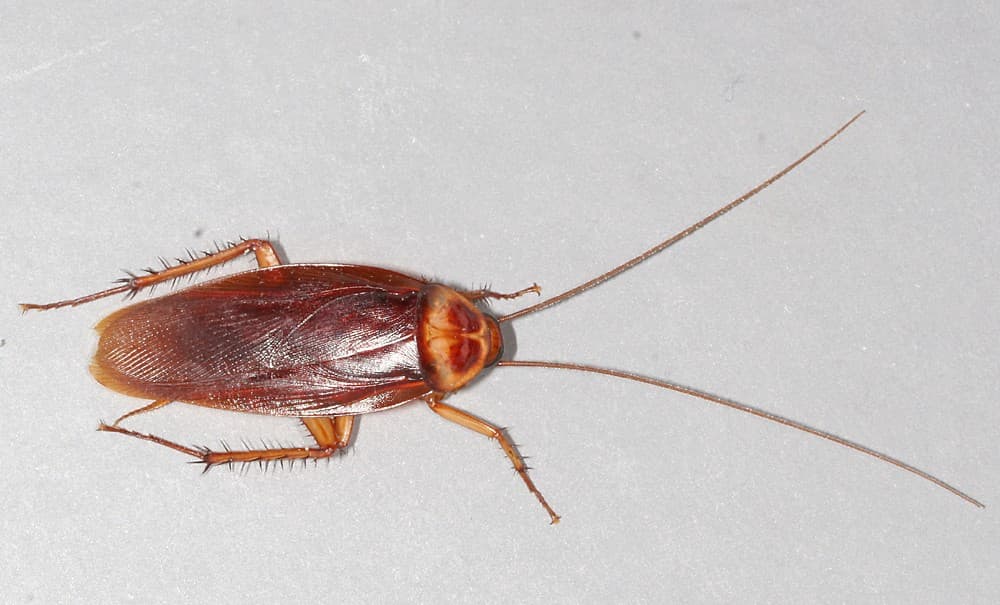
The American cockroach (Periplaneta americana) is the largest cockroach found in buildings: the adult reaches nearly 40 mm. It seeks heat and moisture, and thrives mainly in basements, boiler rooms, sewers and commercial kitchens in Montreal.