Ant Prevention: The Complete Guide to Keep Your Quebec Home Ant-Free
Ants are one of Quebec's most stubborn pests — and carpenter ants can damage your home's structure. Here's how to keep them out before they settle in.
Why preventing ants is essential in Quebec
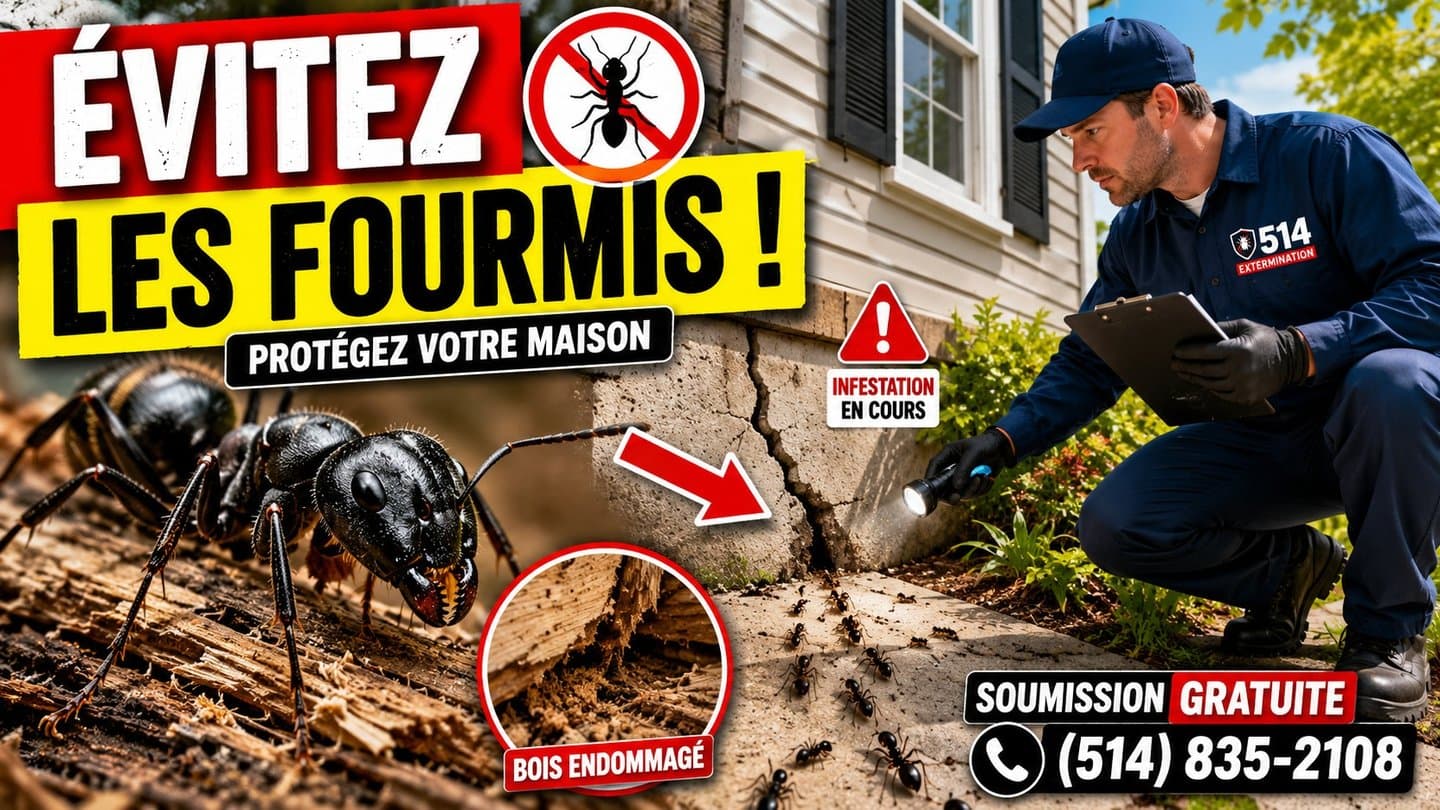
Every spring, thousands of Quebec homes see their first ants appear. While most are simply annoying, some — like the carpenter ant — tunnel through your home's damp wood and can cause costly structural damage if the infestation isn't stopped in time.
The good news: the vast majority of ant infestations are preventable. By understanding how and why ants get in, you can keep them out of your home all year. This guide covers every prevention habit, from the simplest to the most strategic.
Know the 3 most common ants in Quebec
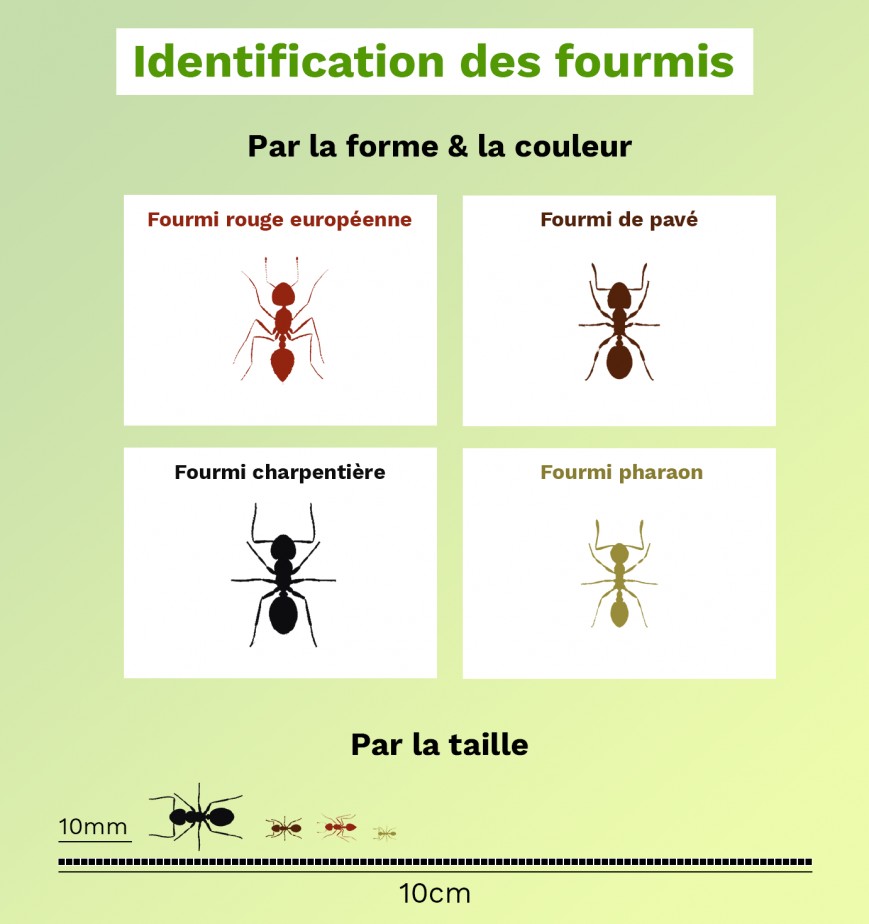
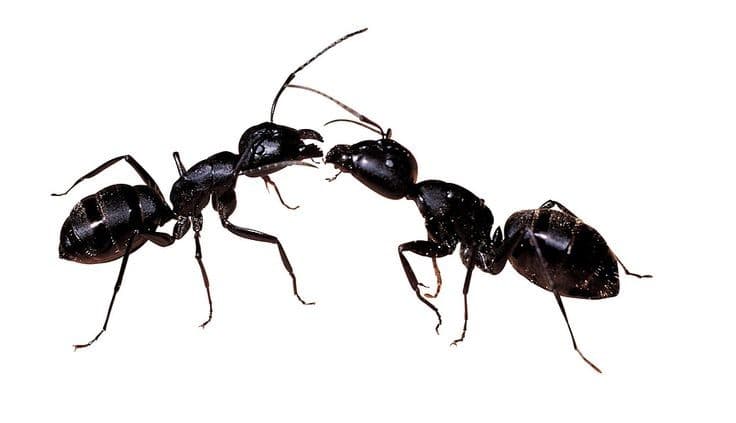
- The carpenter ant (most concerning): large (6-13 mm), black or two-toned. It doesn't eat wood but tunnels through it to nest, especially damp or damaged wood. Warning sign: fine sawdust near baseboards or frames.
- The pavement ant: small (3 mm), brown-black. It nests under slabs, sidewalks and foundations, entering through cracks in search of sweet and greasy food.
- The crack ant / odorous house ant: tiny, gives off a rancid coconut smell when crushed. Very attracted to sugar, common in kitchens.
How ants get into your home
Ants are tireless explorers. A single scout that finds food leaves a pheromone trail that hundreds of others will follow. Typical entry points:
- Cracks in foundations and walls
- Around poorly sealed doors and windows
- Pipe, wire and duct passages
- Tree branches or shrubs touching the house (real ant "bridges")
- Firewood stacked against the house
- Cracks in the base wall and brick joints
Already have ants? Don't wait for them to nest in your walls.
Especially carpenter ants — every week counts. Free quote.
📞 Call (514) 835-2108The 8 ant-prevention habits

- Eliminate food sources: clean crumbs, wipe counters, store sugar, honey and food in airtight containers.
- Manage moisture: fix leaks, ventilate the basement and bathroom. Damp wood attracts carpenter ants.
- Seal entry points: caulk cracks, add weatherstripping under doors, plug pipe passages.
- Keep vegetation away: trim branches and shrubs at least 30 cm from the house to remove bridges.
- Move firewood: store it away from the house and elevated.
- Clean gutters and direct water away from foundations.
- Take out garbage regularly and keep bins closed and clean.
- Inspect in spring: watch for trails, sawdust or winged ants (sign of a mature nest).
The seasonal prevention calendar
- Spring (April-May): key moment. Colonies reactivate and send out scouts. Best time to seal entries and apply exterior preventive treatment.
- Summer (June-August): peak activity. Watch for trails in the kitchen and around foundations. Carpenter ants are most active at dusk.
- Fall (September-October): ants seek winter shelter. Reinforce caulking before the cold.
- Winter: an active indoor colony in winter (especially carpenter ants) almost always indicates an established nest in the heated structure — treat quickly.
For complete protection, also see our guide on exterior preventive treatment.
Why home methods often aren't enough
Vinegar, chalk, coffee grounds, store sprays... these remedies can temporarily disrupt ants, but they never solve the root problem: the nest. As long as the colony and its queen are alive, new workers come back.
Worse, some "repellent" sprays cause the colony to split (budding) in certain species: instead of one nest, you end up with several. For carpenter ants especially, an untargeted treatment can make things worse.
514 Extermination's professional solution
Our approach targets the entire colony, not just the visible workers:
- Inspection to identify the species, locate the nest(s) and spot entry points.
- Targeted bait treatment that workers carry back to the queen, eliminating the colony at the source.
- Exterior preventive barrier to prevent recolonization.
- Exclusion recommendations: sealing, moisture and wood management.
- Written guarantee and Health Canada approved products, safe for the family.
Our technicians are certified and hold the Quebec CD5 certificate. We serve Montreal, Laval, Longueuil, Brossard, Terrebonne and all of Greater Montreal.
Stop ants before the damage.
Response within 4 hours · Written guarantee · Montreal, Laval, South & North Shore
📞 Call now: (514) 835-2108Frequently Asked Questions
How do I know if I have carpenter ants rather than ordinary ants?
Do ants disappear on their own in winter?
Do store-bought ant baits work?
What natural smells or products repel ants?
How long does it take to get rid of an ant colony?
Need a professional exterminator?
Contact us for a free evaluation and a treatment plan tailored to your situation.