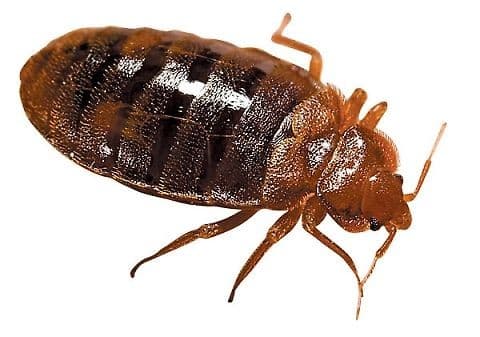
Bed Bugs in Montreal: The Hardest-Hit Neighbourhoods According to City Data
The City of Montreal publishes every declared bed bug extermination on its territory. That data draws a precise map of the problem — and reveals an obligation few landlords know about.
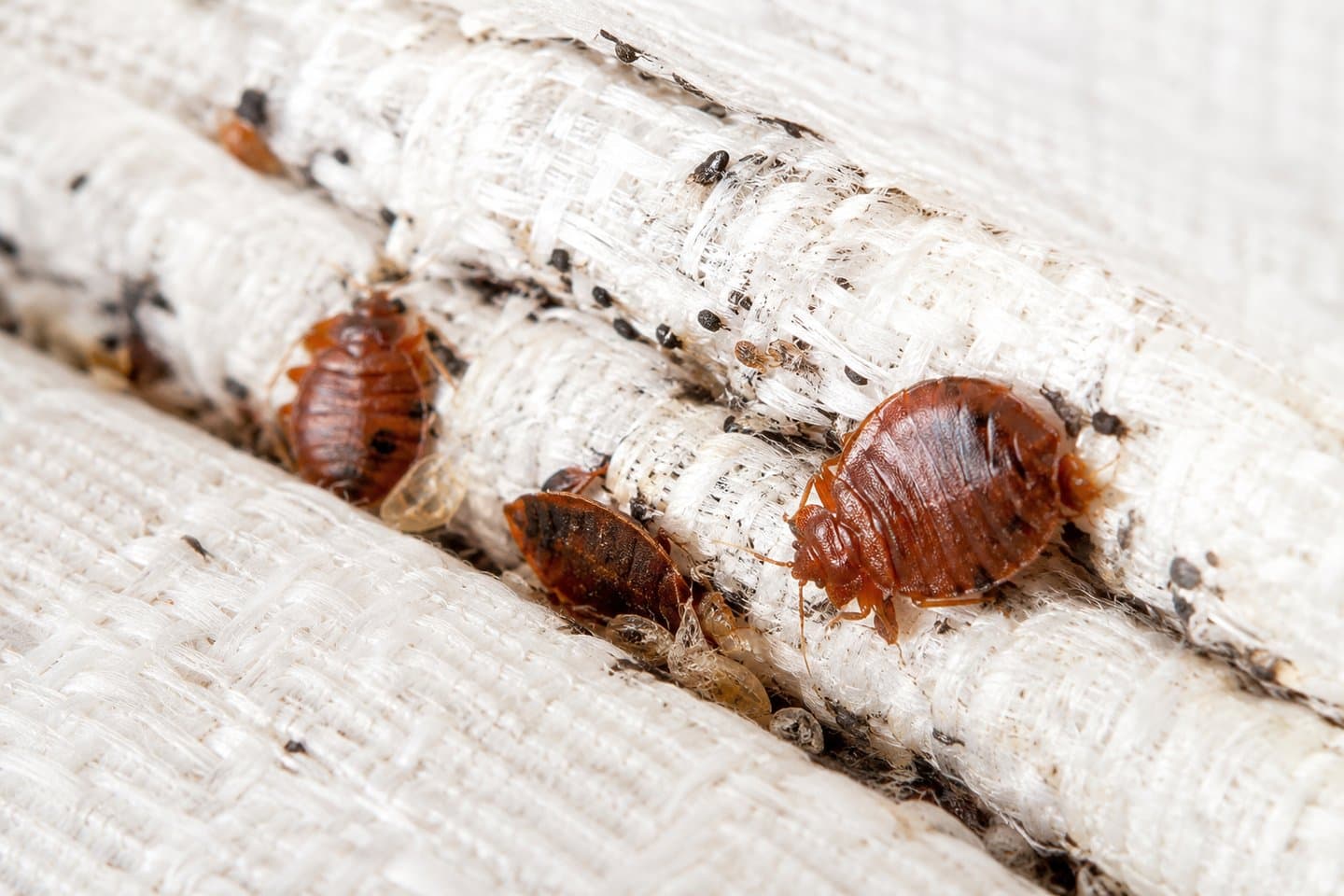
61,440 declared exterminations: what the City's data shows
Unlike most pests, bed bugs leave an administrative trace in Montreal. Every extermination intervention must be declared to the City, and those declarations are published as open data. The result is one of the most precise datasets that exists on an urban infestation in North America.
The overall figure is staggering: roughly 61,440 bed bug exterminations were declared across Montreal between 2011 and 2025. And that number, high as it is, is a floor — not a ceiling.
The hardest-hit boroughs
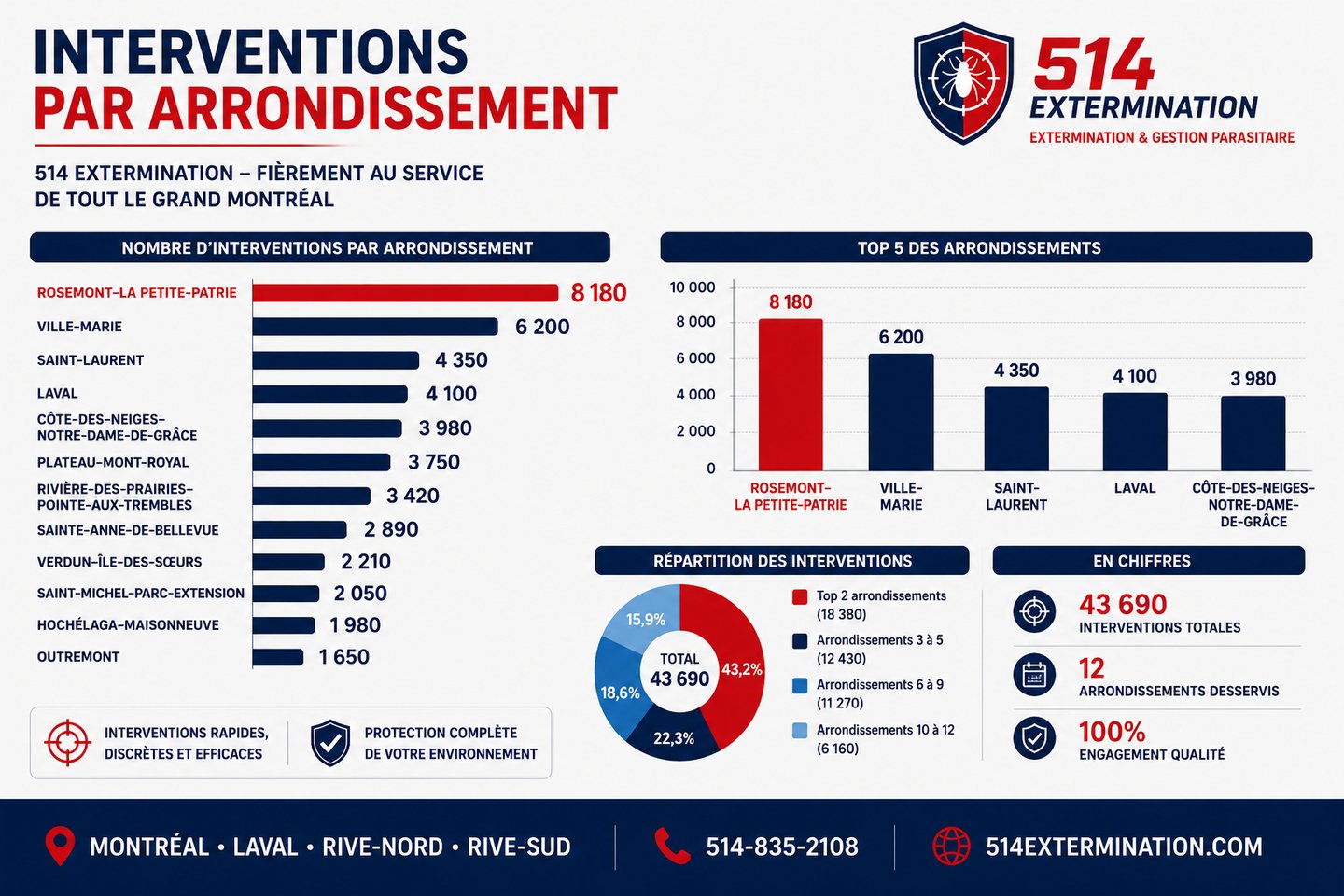
The distribution is uneven, and it is explained by the building stock rather than by occupants' habits.
- Rosemont–La Petite-Patrie leads with roughly 8,180 declared interventions. The sector combines high rental density with a stock of 1910s-1930s triplexes with shared walls.
- The Sainte-Marie district, in Ville-Marie, alone accounts for nearly 6,200 treated units.
- Ville-Marie, Plateau-Mont-Royal and Côte-des-Neiges–Notre-Dame-de-Grâce also rank among the most affected sectors.
One point deserves to be stated plainly, because a great deal of misinformation circulates: a dwelling's cleanliness has no bearing on infestation risk. Bed bugs feed on blood, not crumbs. What explains the map is density, shared walls and rental turnover — not how tidy the occupants are.
Why these neighbourhoods specifically
Three structural factors recur in every sector at the top of the list.
1. Shared walls and plumbing stacks
In a typical Montreal plex, units share plumbing stacks and vertical electrical chases that are rarely firestopped between floors. A bed bug leaving a second-floor mattress reaches the ground floor within weeks without ever passing through a door. This is why treating only the complaining unit almost always fails: the colony relocates instead of disappearing.
2. The July 1st rental turnover
Moving season alone concentrates a considerable share of new infestations. Mattresses and sofas left on sidewalks get picked up and reintroduced into other homes. A second-hand item collected in July can trigger a full case by September.
3. Occupancy density
The more occupants per unit, the more furniture, textiles and harbourage. This is not a lifestyle question: it is a question of available refuge surface for the insect, and it mechanically lengthens the preparation required before treatment.
The obligation few landlords know about
Here is the point most articles on the subject skip, even though it changes things concretely.
In Montreal, every bed bug extermination intervention must be declared to the City, under the By-law concerning the sanitation, maintenance and safety of dwelling units. And the obligation rests neither on the landlord nor the tenant: it is the exterminator who must file the declaration, within 5 days of each intervention.
The City also specifies that the exterminator must hold a permit from the Ministry of the Environment, Fight Against Climate Change, Wildlife and Parks before intervening in a building.
This has three practical consequences:
- An undeclared intervener is a red flag. If no one declares your intervention, either the company is unaware of the regulation or it lacks the required permit.
- The declaration creates a record. In a dispute before the rental board, or when selling a building, a documented history works in your favour — not against you.
- The public data exists because of this obligation. The 61,440 interventions cited above are the sum of those declarations.
Our interventions are declared in accordance with this by-law. Our C5 business permit no. 402574504 and our applicators' CD5 certificates appear on every report we issue.
What these figures do not say
This data must be read honestly. The report by the Comité logement de La Petite-Patrie, financially supported by Montreal's Regional Public Health Department, stresses that it is impossible to quantify precisely the true scale of the phenomenon.
Three biases pull the numbers down:
- Infestations handled by the occupant alone, without an exterminator, appear nowhere.
- Interventions left undeclared by non-compliant companies escape the count.
- Many tenants never report the problem, fearing reprisal or stigma.
In other words: a borough poorly represented in the data is not necessarily spared. It may simply be under-declared.
What to do if you live in an at-risk neighbourhood
Living in Rosemont, Ville-Marie or the Plateau does not mean you will get bed bugs. It means early detection is worth even more there than elsewhere.
Check the three places that speak first
- Mattress seams and piping, especially at the four corners and along the headboard.
- The bed structure: box spring, screws, wood junctions, undersides of slats.
- Baseboards behind the headboard, and the backs of frames and outlet plates on the same wall.
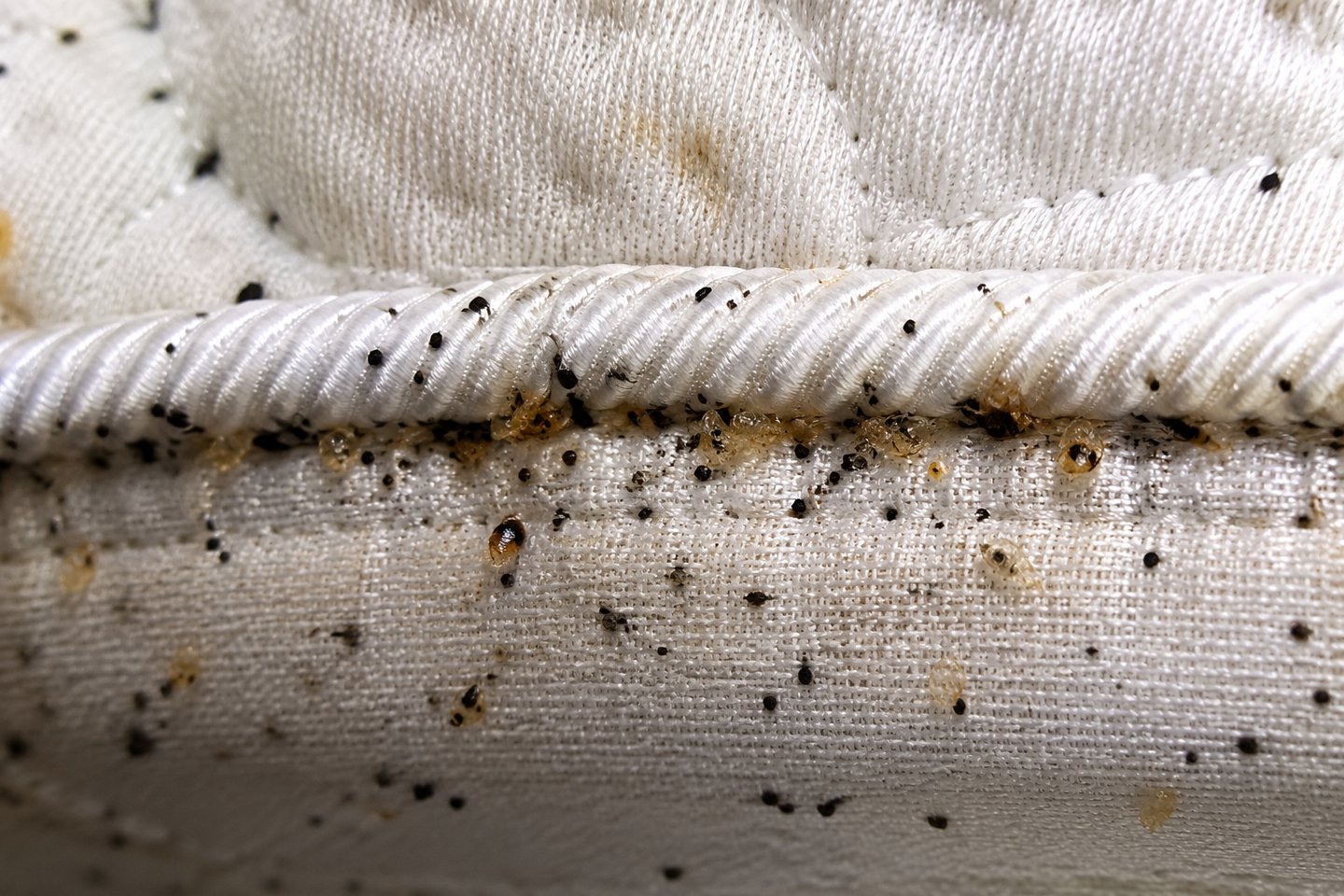
You are looking for black dots the size of a pen tip (droppings), translucent moults, and sometimes small blood spots on sheets. Our detection guide details every sign.
If you are moving in
Inspect the unit before moving your furniture in, not after. A pre-existing infestation discovered two weeks after move-in quickly becomes a dispute that is hard to settle. Ask the landlord for the intervention history: since 2011, they have been declared.
If you are a landlord or manager
A report in one unit should trigger inspection of the adjoining units — beside, above, below — and of the shared laundry room if there is one. Our respective obligations and the building protocol are detailed here.
What a serious treatment must cover
Whatever the neighbourhood, one technical point is not negotiable: a treatment that only acts on the day of the visit solves nothing. The eggs present hatch within the following two weeks. That is why we apply a biological barrier that stays active for several weeks: the young from those eggs encounter it in turn.
Be wary of a company promising elimination in a single visit without prior inspection. And be even more wary of store-bought foggers: they act as repellents, scatter the colony into wall voids and toward neighbouring units, and turn a simple case into a long, expensive one.
Our reference page compares the four treatment methods — heat, residual chemical, dry steam and combined — with each one's limitations, and details who must pay under the Civil Code of Québec.
Sources
Declared extermination data: City of Montreal open data (bed bug extermination declarations dashboard). Declaration obligation and deadline: City of Montreal, Declaring a bed bug extermination intervention, under the By-law concerning the sanitation, maintenance and safety of dwelling units. Data limitations: report by the Comité logement de La Petite-Patrie, supported by Montreal's Regional Public Health Department.
Frequently Asked Questions
Which Montreal neighbourhood is hardest hit by bed bugs?
Must bed bug extermination be declared in Montreal?
Can a clean home get bed bugs?
Do bed bug treatments require two passes?
Need a professional exterminator?
Contact us for a free evaluation and a treatment plan tailored to your situation.