Bed Bug Bites: How to Recognize and Treat Them?
Bed bug bites are often confused with other insect bites. Learn to identify them and discover the best treatments.
Recognizing Bed Bug Bites
Bed bug bites are often the first alarming sign of an infestation, yet they're frequently confused with mosquito bites, flea bites, or allergic reactions. Proper identification is essential for quick action.
Characteristic Appearance of Bites
- Appearance: small red bumps with a darker center
- Pattern: aligned in lines or clusters of 3-5
- Location: skin areas exposed during sleep -- arms, shoulders, neck, face, legs
- Timing: appear in the morning after nighttime feeding (2-5 AM)
- Itching: intense, often stronger than mosquito bites, lasting several days
About 30% of people show no visible reaction at all.
How to Differentiate Bed Bug Bites
- Vs mosquitoes: mosquito bites are isolated and random; bed bug bites form lines
- Vs fleas: flea bites concentrate on ankles and legs; bed bug bites target the upper body
- Vs mites: mite bites are very small in tight clusters; bed bug bites are more distinct
- Vs allergic reaction: allergies appear symmetrically, not limited to sleep-exposed areas
How the Bite Works
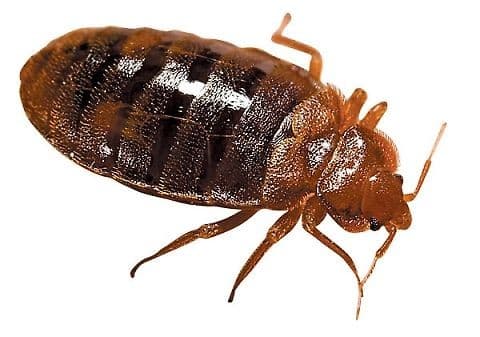
Bed bugs pierce skin with two hollow tubes: one injects saliva containing anesthetic and anticoagulant, the other draws blood. The anesthetic prevents you from feeling the bite. The immune reaction to the saliva causes itching and swelling hours or days later.
Treating Bed Bug Bites
- Wash bites with warm water and mild soap
- Apply cold compress for 10-15 minutes to reduce swelling
- Use over-the-counter hydrocortisone cream (0.5-1%)
- Take oral antihistamines for allergic reactions
- Apply calamine lotion for soothing relief
Important: avoid scratching to prevent secondary bacterial infection.
When to See a Doctor
Seek medical attention for: significant swelling beyond the bite area, breathing difficulty, fever or swollen lymph nodes, signs of infection (pus, spreading redness), blisters, or anaphylactic reaction (very rare).
Psychological Impact
Bed bug bites cause insomnia, anxiety, PTSD-like symptoms, and social isolation. Speak to a health professional if bites significantly affect your quality of life.
Treat the Cause, Not Just the Symptoms
Relieving bites is important, but the real problem is the infestation. 514 Extermination offers comprehensive professional treatments including thermal and chemical methods. Visit our bed bug service to end the bites for good.
Frequently Asked Questions
Can bed bug bites transmit diseases?
How long do bed bug bites last?
Why do some people get bitten and others don't in the same bed?
Need a professional exterminator?
Contact us for a free evaluation and a treatment plan tailored to your situation.