
Preparation — Wasps and Nests
Preparation for a wasp nest is short but critical: it's above all about safety. Here is what to do — and especially what not to do.
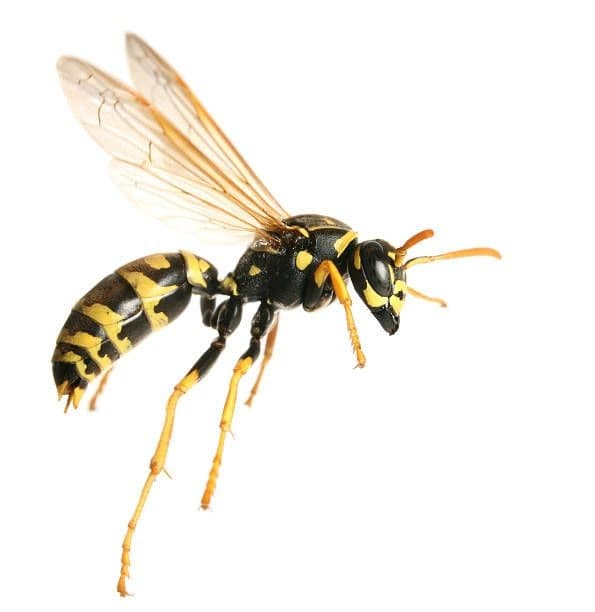
Preparation Steps
- 1
Locate the nest precisely and note it for the technician: eaves, soffit, shed, wall, ground, wall cavity. Observe from a distance where wasps enter and exit.
- 2
Establish a safety perimeter of at least 5 metres around the nest. Keep children and pets away from this zone until the intervention is complete.
- 3
Immediately tell the technician if anyone in the household is allergic to stings. This changes the precautions and the urgency of the intervention.
- 4
Close windows and doors near the nest, and bring in damaged screens. Retract awnings and close nearby skylights.
- 5
Remove or cover food, sweet drinks, garbage and pet food outdoors: they attract wasps and complicate the work.
- 6
Move patio furniture, the BBQ, toys and bikes out of the treatment zone to prevent product from reaching them.
- 7
Clear access to the nest: the technician often needs to set up a ladder. Remove obstacles, potted plants and bulky items.
- 8
Plan to stay indoors during the intervention and for 2 to 4 hours afterward, until wasp activity has fully subsided.
Pro Tips
- Treatment is most effective early morning or evening, when the entire colony is back inside the nest. We often schedule the intervention at those times.
- Photograph the nest from a distance (using zoom): this helps the technician identify the species and prepare the right equipment before arriving.
- If you can't find the nest, watch the wasps' path for a few minutes: they always follow the same corridor to the entrance.
- Avoid perfumes and brightly coloured clothing near the nest: they attract the wasps' attention.
Mistakes to Avoid
- Do NOT spray a store-bought product into the nest. It makes the colony aggressive, triggers attacks and often drives wasps to tunnel toward the inside of the building.
- NEVER plug the entrance hole of a nest located in a wall. The wasps will chew a new exit — frequently into the interior of the house.
- Do NOT use water, fire or gasoline on a nest: it is dangerous, ineffective and causes multiple stings every year in Quebec.
- Do NOT attempt the intervention yourself if anyone in the household is allergic, if the nest is high up, or if it is in a wall cavity.
After Treatment
- 1Stay away from the area for 2 to 4 hours. Residual activity is normal: foragers return and die on contact with the product.
- 2Do not remove the nest yourself right away. Wait for the technician's confirmation, generally 24 to 48 hours.
- 3Renewed activity for 2 to 3 days is normal. Beyond a week, contact us: there may be a second nest.
- 4Once the nest is inactive and removed, seal the crack or opening used to prevent a new queen from settling there next year.
Day-by-day timeline, what's normal to see, what not to clean and when to call us back.
Frequently Asked Questions
Can you remove a wasp nest yourself?
How long does it take to eliminate a wasp nest?
What if the wasp nest is inside a wall?
Need help with preparation?
Our team is available to answer all your questions and guide you through your treatment preparation.