
Insects
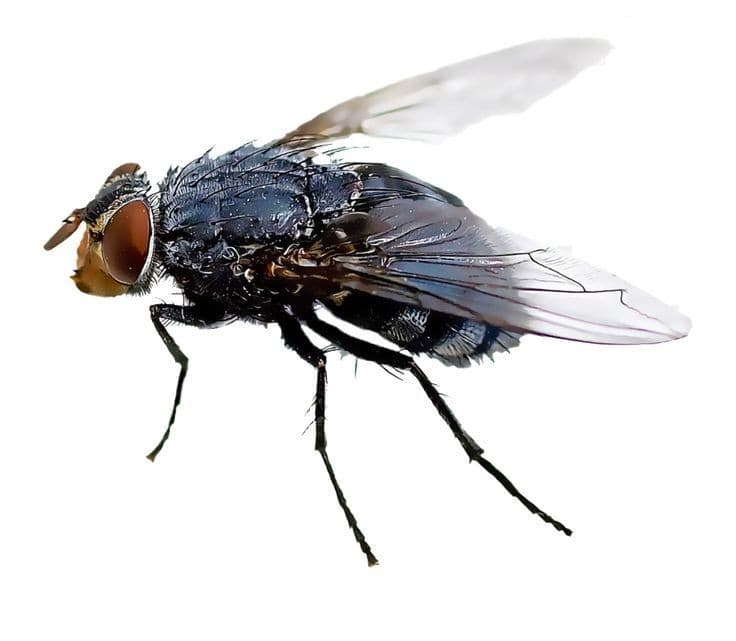
Cluster Fly
The cluster fly seeks to overwinter inside homes from fall onward. It accumulates in large numbers in attics, walls and window frames, and reappears on mild winter days and in spring.
Active infestation? Don't wait — a certified technician responds within 4 hours, 24/7.
How to identify
Fly slightly larger and slower than a house fly, with a thorax covered in golden hairs. Moves sluggishly and clusters near sunny windows.
Typical habitat
Attics, roof voids, walls, south- and west-facing window frames. Larvae parasitize earthworms in the soil.
Health risks
The cluster fly doesn't bite, doesn't lay eggs in food and transmits no disease. It's mainly a major nuisance due to its numbers, especially in fall and spring when it invades rooms.
Signs of an infestation
If you notice any of these signs, contact us quickly.
- Clusters of slow flies near sunny windows
- Mass appearance in fall and during winter thaws
- Dead flies accumulated on window sills
- Dark stains in attics and lofts
- Buzzing in walls and window frames
How to prevent
Simple measures to apply to limit infestation risk.
- Seal cracks, soffits and window surrounds before fall
- Install screens and vent grilles
- Apply an exterior preventive treatment in late summer
- Seal attic entry points
- Have recurring accumulation zones inspected
What our clients say
« Quick response and detailed explanation of the work being carried out. It was a pleasant experience in general. Thanks. »
« They were professional and responded quickly. I feel at ease now! »
« They got a good sense of humour. I liked them. Especially the one with glasses »
Cluster Fly problem? We respond within 4 hours
Montreal, Laval, South Shore, North Shore. Written guarantee, certified technician, unmarked vehicle.
Other similar pests
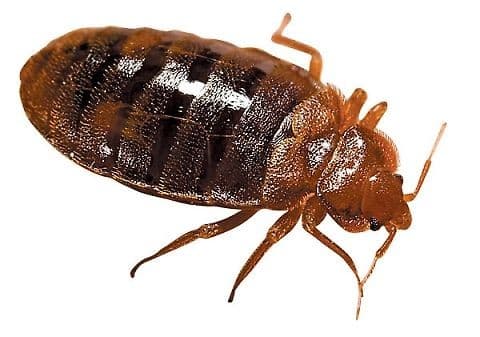
Bed Bug
The bed bug is a parasitic insect that feeds on human blood during sleep. Montreal is one of the most affected cities in Canada.
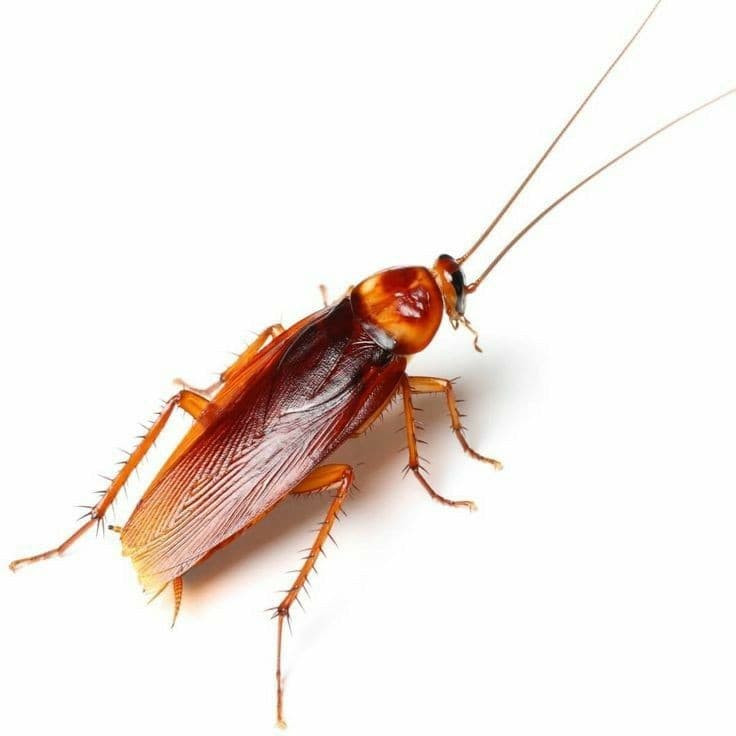
Cockroach
Cockroaches are extremely resilient nocturnal insects. They reproduce quickly and can infest an entire building within weeks.
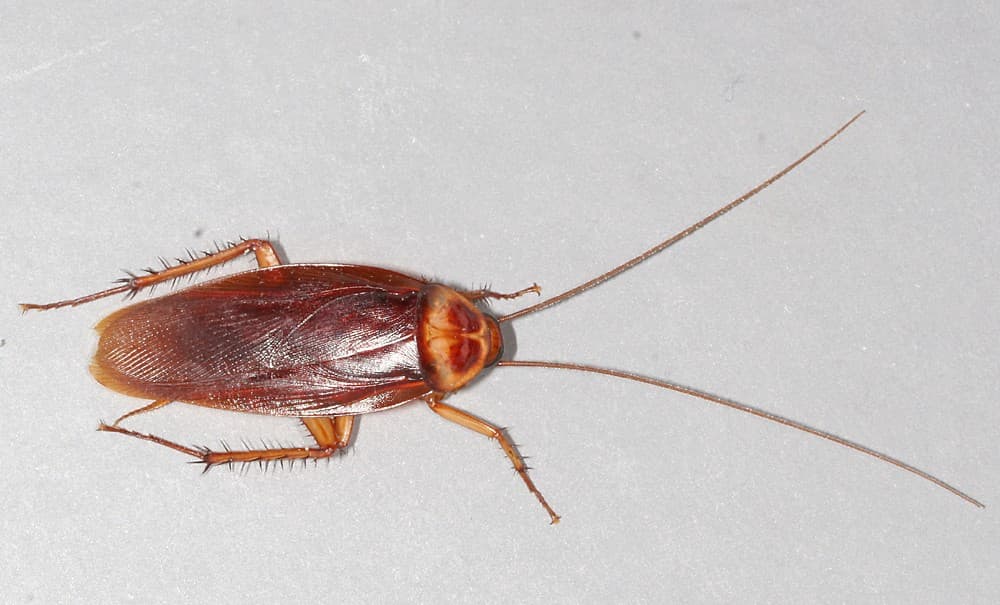
American Cockroach
The American cockroach (Periplaneta americana) is the largest cockroach found in buildings: the adult reaches nearly 40 mm. It seeks heat and moisture, and thrives mainly in basements, boiler rooms, sewers and commercial kitchens in Montreal.