
Cluster Fly
The cluster fly seeks to overwinter inside homes from fall onward. It accumulates in large numbers in attics, walls and window frames, and reappears on mild winter days and in spring.
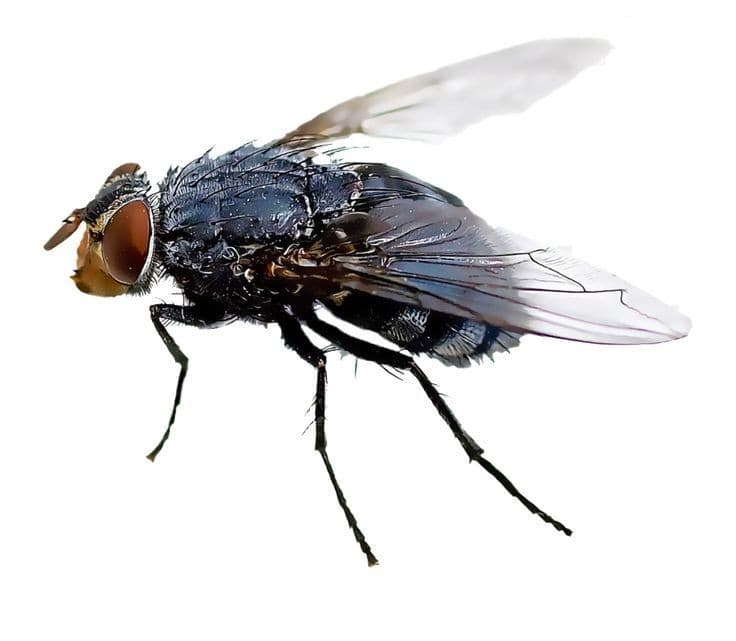
Identification sheet
Health risks
The cluster fly doesn't bite, doesn't lay eggs in food and transmits no disease. It's mainly a major nuisance due to its numbers, especially in fall and spring when it invades rooms.
Signs of infestation
- Clusters of slow flies near sunny windows
- Mass appearance in fall and during winter thaws
- Dead flies accumulated on window sills
- Dark stains in attics and lofts
- Buzzing in walls and window frames
Prevention tips
- Seal cracks, soffits and window surrounds before fall
- Install screens and vent grilles
- Apply an exterior preventive treatment in late summer
- Seal attic entry points
- Have recurring accumulation zones inspected
Think you have cluster fly?
Contact us for an inspection and free quote. Fast response guaranteed.
What our clients say
5.0· 42 reviews on Google
« Quick response and detailed explanation of the work being carried out. It was a pleasant experience in general. Thanks. »
« They were professional and responded quickly. I feel at ease now! »
« They got a good sense of humour. I liked them. Especially the one with glasses »
Get your free quote
30 seconds to fill out. We call you back within the hour.