
Preparation — Carpenter Ants
Carpenter ants cause significant structural damage. Proper preparation allows the technician to access critical areas quickly.
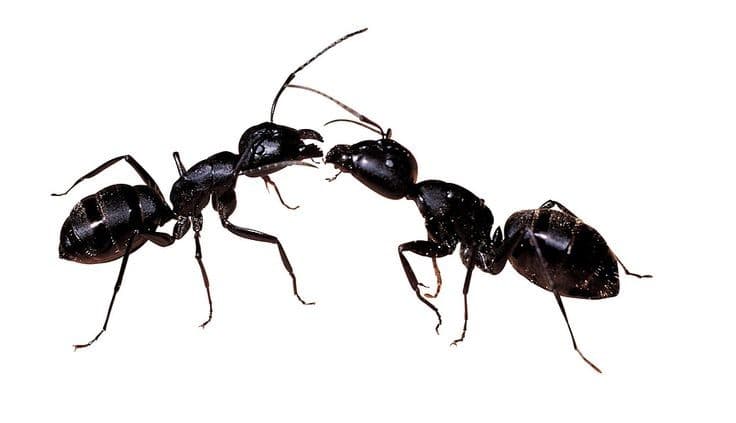
Preparation Steps
- 1
Clear at least 60 cm (2 feet) around the exterior perimeter of the house, including foundations. Remove firewood, building materials, mulch and plant debris touching the structure.
- 2
Trim tree branches and shrubs that touch or overhang the house — carpenter ants use them as bridges to enter the structure.
- 3
Identify and report to the technician areas where you have observed carpenter ants, especially piles of sawdust (frass) that indicate an active nest.
- 4
Clear access to the basement, attic and crawl space. The technician will need to inspect the framing, joists and beams for damage and nests.
- 5
Remove items stored along interior walls, especially in damp areas like the basement and bathroom. Carpenter ants prefer moist wood.
- 6
Check and repair any water leak sources: faucets, pipes, gutters and flashing. Excessive moisture attracts carpenter ants and accelerates wood degradation.
- 7
Make sure the technician will have access to the electrical panel and utility penetration points (cables, pipes) — these openings are common entry routes.
Pro Tips
- Store firewood at least 6 meters (20 feet) from the house and elevated from the ground — this is carpenter ants' natural habitat.
- Replace wood mulch with gravel or crushed stone along foundations — mulch retains moisture and attracts ants.
- Photograph sawdust piles and ants you observe — this helps the technician locate satellite nests more quickly.
- Check your basement humidity level with a hygrometer. A level above 60% promotes carpenter ant infestations.
Mistakes to Avoid
- Do NOT destroy sawdust piles before inspection — they are essential for the technician to locate nests and assess the extent of the infestation.
- Do NOT spray insecticide into holes or galleries — this drives ants deeper into the structure and makes treatment more difficult.
- Do NOT delay treatment — carpenter ants can cause significant structural damage in just a few months.
After Treatment
- 1Keep the exterior perimeter clear and watch for new sawdust piles. Report them immediately to your technician.
- 2Address moisture issues identified during inspection: install a dehumidifier in the basement, repair gutters and improve crawl space ventilation.
- 3Replace wood damaged by carpenter ants once treatment is complete — weakened wood can compromise your home's structural integrity.
- 4Schedule a preventive annual inspection in spring, when carpenter ants become active after winter.
Day-by-day timeline, what's normal to see, what not to clean and when to call us back.
Frequently Asked Questions
How do I know if I have carpenter ants in my house?
Is carpenter ant treatment dangerous for children?
How much does carpenter ant treatment cost in Montreal?
Need help with preparation?
Our team is available to answer all your questions and guide you through your treatment preparation.