Raccoon in the Attic: What Should You Do?
A raccoon in your attic is a serious problem requiring professional intervention and compliance with Quebec regulations.
Raccoons in Attics: A Common Montreal Problem
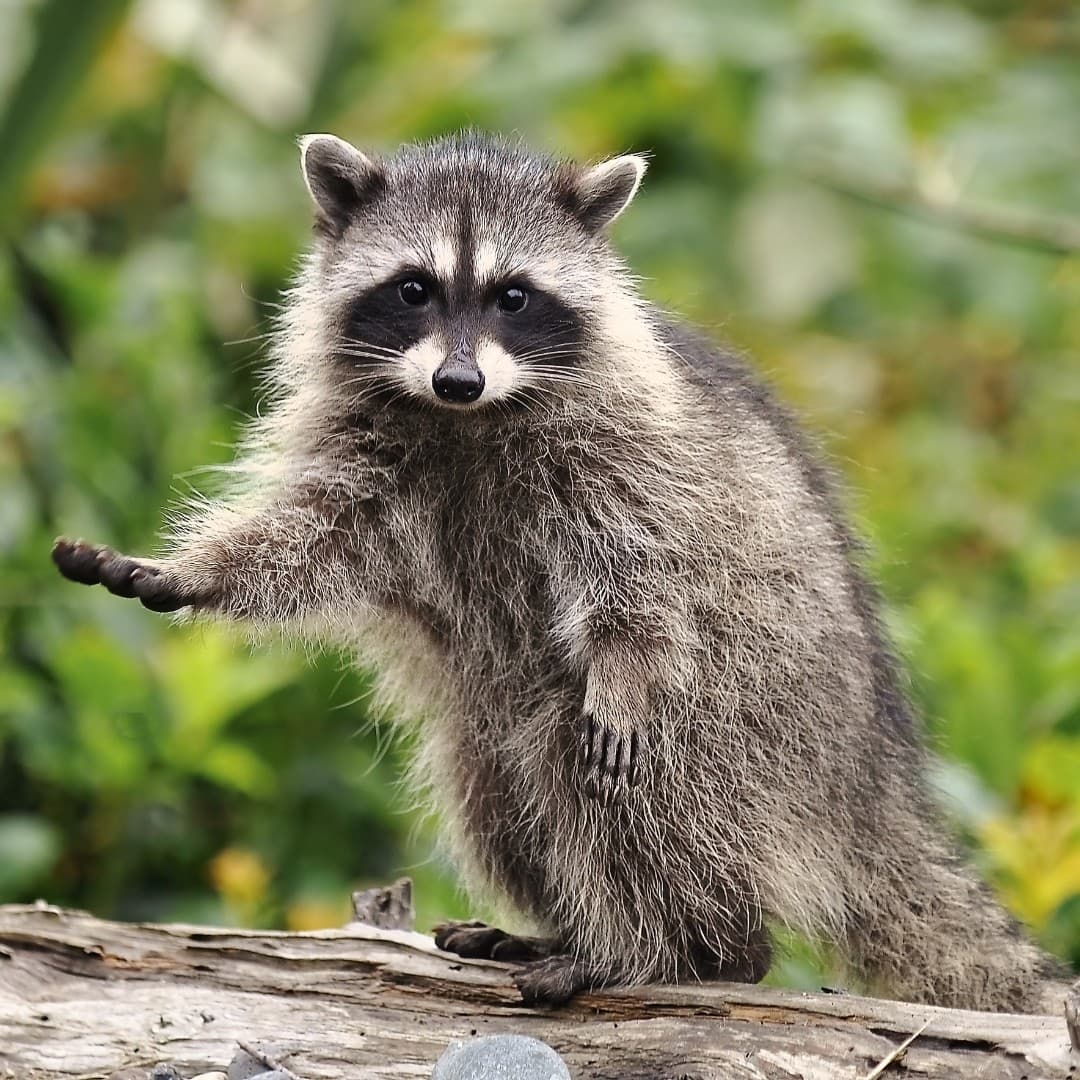
Every spring, hundreds of Montreal residents discover raccoons (Procyon lotor) have moved into their attic. These intelligent animals seek safe spaces to give birth and raise their young, and your attic is an ideal nesting site: warm, dark, and protected from predators.
How to Know If a Raccoon Is in Your Attic
- Nocturnal noises: heavy movement, scratching, and vocalizations in the ceiling
- Exterior damage: torn soffits, deformed vents, holes in siding
- Droppings: latrines (raccoons use the same spot) on the roof or in the attic
- Odors: strong, persistent urine and feces smell
- Tracks: distinctive paw prints resembling small hands
Health Risks
- Rabies: raccoons are a primary rabies vector in Quebec
- Baylisascaris procyonis: a roundworm in raccoon feces that is extremely dangerous to humans, potentially causing severe neurological damage
- Leptospirosis: from raccoon urine
- Fleas and ticks: ectoparasites that can infest your home
Property Damage
Raccoons (5-12 kg) cause significant damage: compressed and soiled insulation, torn soffits and fascias, damaged wiring and plumbing, water infiltration, and contamination requiring professional decontamination.
Quebec Regulations
Quebec's wildlife conservation laws strictly regulate raccoon management. It is illegal to kill a raccoon without a proper trapping permit. Relocation is regulated. Poison is strictly prohibited. Only licensed professionals can legally capture and relocate raccoons. During denning season (April-June), mothers must not be separated from their young.
Why Not to DIY
Amateur removal risks bites (requiring rabies treatment), trapping babies in the attic, panicked animals causing more damage, and the raccoon simply returning without professional exclusion techniques.
Professional Solution
Professional wildlife management includes full inspection, humane one-way door exclusion, observation period, permanent sealing with resistant materials, decontamination, and insulation replacement if needed.
Call 514 Extermination
514 Extermination has the expertise and permits for safe, humane, regulation-compliant raccoon removal. We offer free inspection, professional removal, guaranteed exclusion work, and decontamination services. Visit our wildlife management service.
Prevention
- Trim tree branches 3+ meters from roof
- Install metal gutter guards
- Secure garbage with locking lids
- Never leave pet food outside at night
- Reinforce soffits and vents with heavy-gauge metal mesh
- Conduct annual exterior inspection before spring
Frequently Asked Questions
What time of year do raccoons move into attics?
Does homeowner's insurance cover raccoon damage?
Is it legal to trap a raccoon yourself in Quebec?
Need a professional exterminator?
Contact us for a free evaluation and a treatment plan tailored to your situation.