
Wildlife
Raccoon
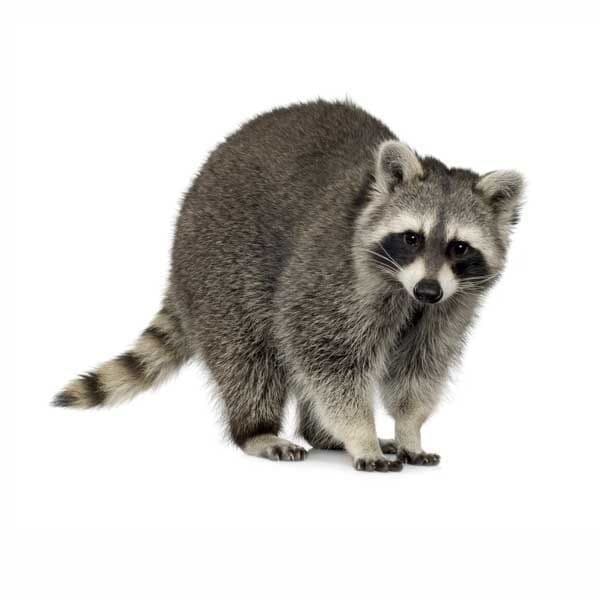
Raccoons often invade attics and sheds across Greater Montreal to give birth in spring. Highly dexterous, they open garbage cans and damage attic insulation.
Active infestation? Don't wait — a certified technician responds within 4 hours, 24/7.
How to identify
Stocky animal with grey-brown fur, distinctive black eye mask and ringed tail.
Typical habitat
Attics, sheds, under decks, unprotected chimneys. Mostly nocturnal.
Health risks
Carrier of rabies and Baylisascaris procyonis roundworm, dangerous to humans. Droppings can contaminate insulation and require professional cleanup.
Signs of an infestation
If you notice any of these signs, contact us quickly.
- Noises in the attic at night (scratching, heavy steps)
- 10 to 15 cm hole in roof or soffits
- Garbage cans regularly knocked over
- 5 to 8 cm droppings in the attic
- Paw prints in snow around the house
- Pup cries in walls in spring
How to prevent
Simple measures to apply to limit infestation risk.
- Secure garbage with strapped lids
- Install screens on chimneys and roof vents
- Cut tree branches at least 2 m from the roof
- Repair damaged soffits and roof edges
- Motion-activated lighting near entry points
- Never feed raccoons (illegal in Quebec)
What our clients say
« Quick response and detailed explanation of the work being carried out. It was a pleasant experience in general. Thanks. »
« They were professional and responded quickly. I feel at ease now! »
« They got a good sense of humour. I liked them. Especially the one with glasses »
Raccoon problem? We respond within 4 hours
Montreal, Laval, South Shore, North Shore. Written guarantee, certified technician, unmarked vehicle.
Raccoons exterminator by area — Greater Montreal, Laval, South Shore
Other similar pests
Spider
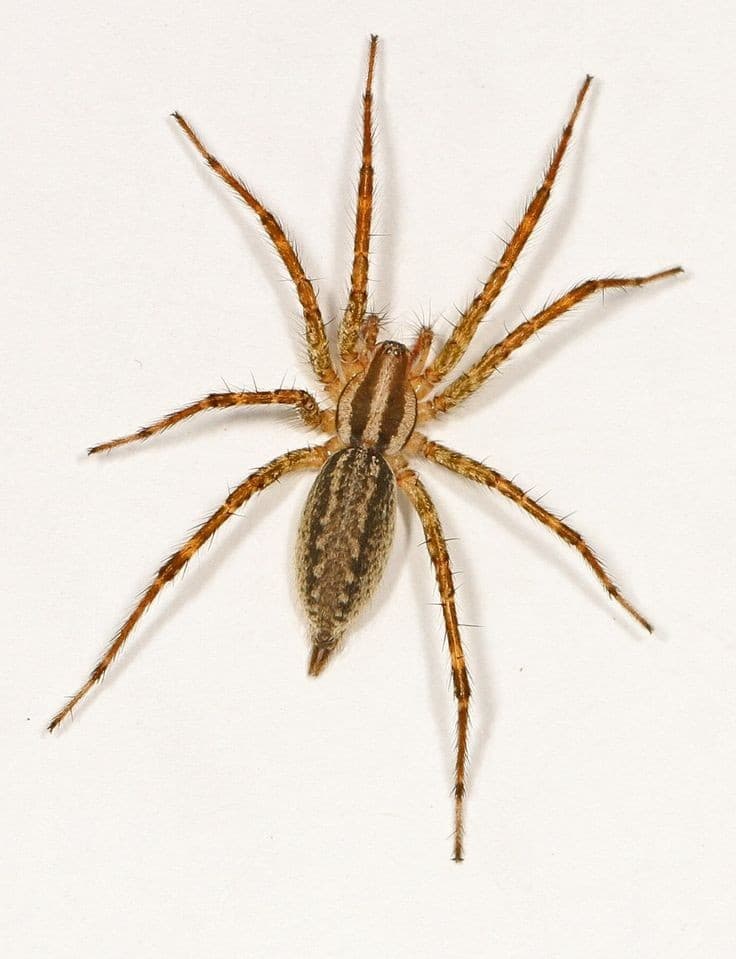
Spiders are generally harmless and useful as they eat other insects. However, a significant infestation often indicates the presence of other pests.
House Centipede
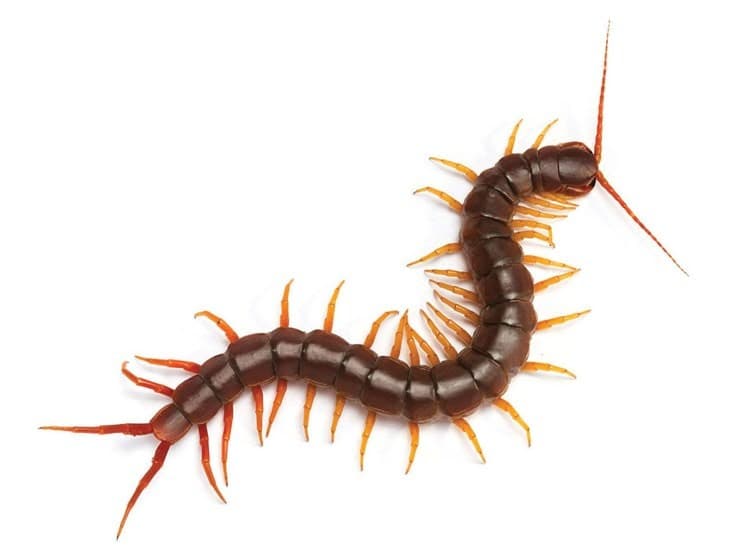
The house centipede is a common arthropod in Montreal basements. Although frightening in appearance, it is harmless and feeds on other harmful insects.
Woodlouse (Pill Bug)
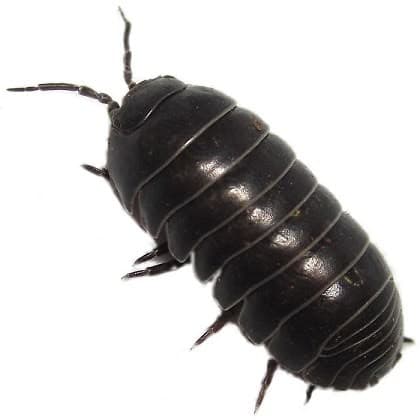
Woodlice are terrestrial crustaceans that need moisture to survive. Their presence indoors indicates a moisture or water infiltration problem.