
Wildlife
Groundhog
Groundhogs dig deep burrows that can compromise foundations, decks and sheds. They devastate vegetable gardens in Repentigny, Lachenaie and new developments on the North Shore.
Active infestation? Don't wait — a certified technician responds within 4 hours, 24/7.
How to identify
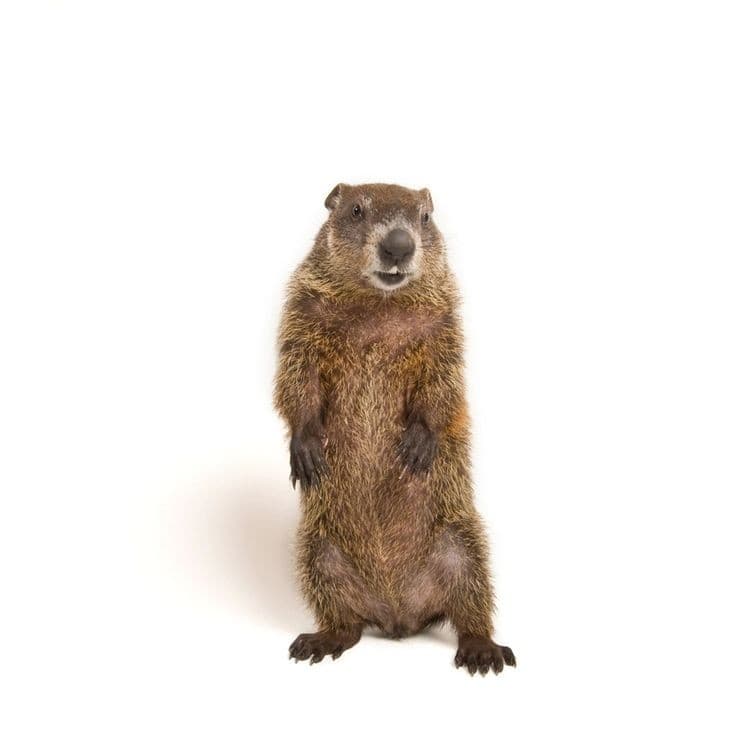
Large stocky rodent with brown fur, short legs and short tail. Often seen standing near burrow entrance.
Typical habitat
Deep burrows (up to 1.5 m) under sheds, decks, foundations and embankments.
Health risks
Structural risk to buildings and decks whose foundations are undermined. Can transmit rabies. Burrows then attract skunks and raccoons.
Signs of an infestation
If you notice any of these signs, contact us quickly.
- 25 to 30 cm entry hole with dirt mound
- Several secondary exits without mounds
- Garden plants chewed at ground level
- Animal seen near burrow at dawn and dusk
- Foundation cracks or deck sagging
How to prevent
Simple measures to apply to limit infestation risk.
- Buried fence at least 60 cm around vegetable gardens
- Plug abandoned burrows to prevent re-occupation
- Metal mesh under decks and sheds
- Natural repellents (human hair, garlic) along perimeter
- Trim dense vegetation near foundations
What our clients say
« Quick response and detailed explanation of the work being carried out. It was a pleasant experience in general. Thanks. »
« They were professional and responded quickly. I feel at ease now! »
« They got a good sense of humour. I liked them. Especially the one with glasses »
Groundhog problem? We respond within 4 hours
Montreal, Laval, South Shore, North Shore. Written guarantee, certified technician, unmarked vehicle.
Other similar pests
Spider
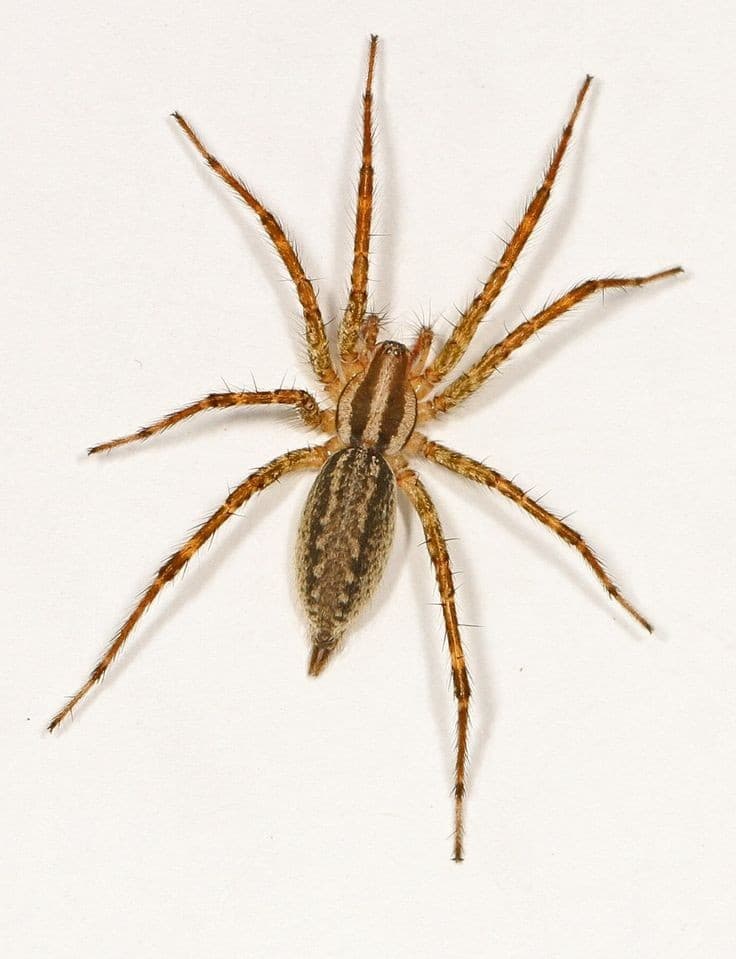
Spiders are generally harmless and useful as they eat other insects. However, a significant infestation often indicates the presence of other pests.
House Centipede
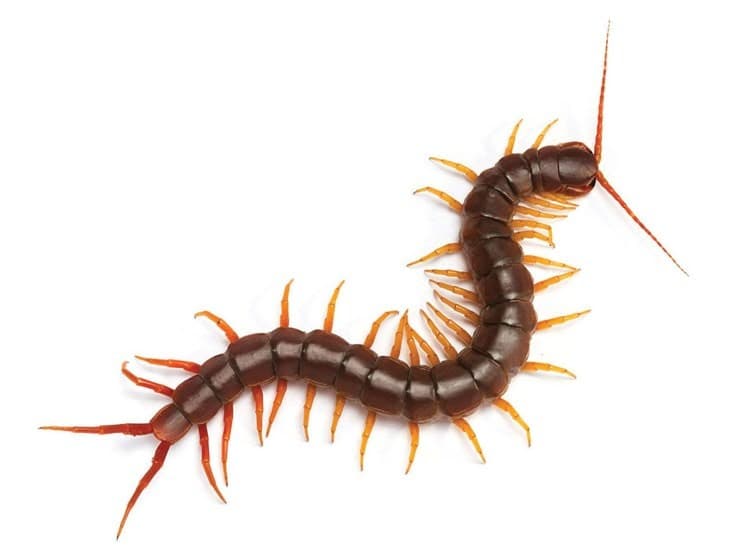
The house centipede is a common arthropod in Montreal basements. Although frightening in appearance, it is harmless and feeds on other harmful insects.
Woodlouse (Pill Bug)
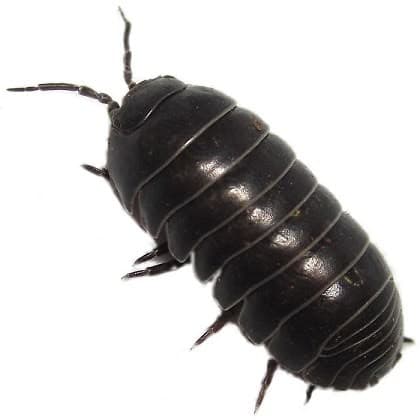
Woodlice are terrestrial crustaceans that need moisture to survive. Their presence indoors indicates a moisture or water infiltration problem.