Wasp Nest in Montreal: Identify, Eliminate and Prevent
Each spring, wasps found new colonies in Montreal. An ignored nest can shelter up to 5,000 individuals by summer. Here's everything you need to know to act safely.
Wasp Season in Montreal: When the Danger Begins
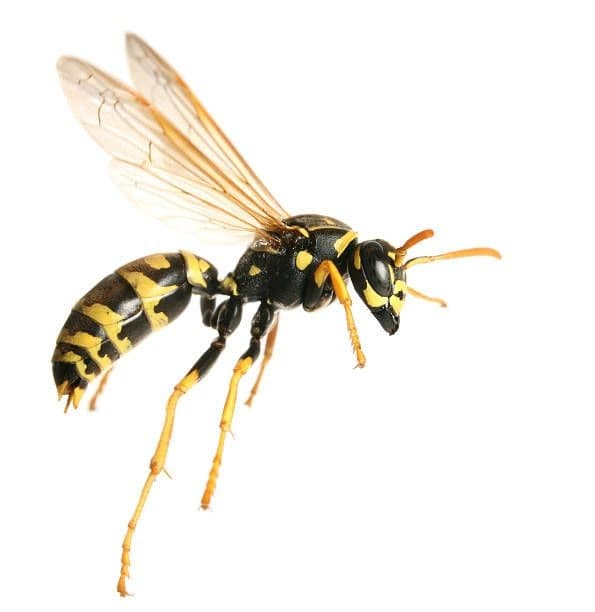
In Montreal, wasp season kicks off in late April, when queens emerge from hibernation looking for a site to found a new colony. The most common species in Quebec are the German yellowjacket (Vespula germanica), the bald-faced hornet (Dolichovespula maculata), and the paper wasp (Polistes fuscatus). First queens appear under roofs, in walls, and under balconies from May. If left unchecked, a nest can reach 3,000 to 5,000 individuals by midsummer and become a serious threat to your family.
According to Quebec's Direction de santé publique, wasp and bee stings cause several cases of anaphylaxis in the province each year. Approximately 3% of the adult population has a severe allergy to hymenoptera venom — a reaction that can be fatal without immediate treatment. That's why any nest near a lived-in space must be dealt with quickly.
Wasp Species Found in Montreal
Knowing which species you're dealing with is crucial for assessing the danger:
- Yellowjacket (Vespula germanica or V. vulgaris) — The most aggressive. Builds nests underground, in walls, or in attics. Its grey papier-mâché nest can reach the size of a football. It can sting multiple times and is particularly aggressive in late season (August–September).
- Bald-faced hornet (Dolichovespula maculata) — Recognizable by white and black markings. Builds teardrop-shaped aerial nests in trees and under eaves. Less aggressive than yellowjackets but very defensive near the nest.
- Paper wasp (Polistes fuscatus) — Smaller, open comb nest with visible cells. Less dangerous but very common under roofs in Montreal.
- Asian giant hornet (Vespa mandarinia) — Gradually detected in Ontario and B.C., not yet established in Quebec but monitored. About 4–5 cm, distinctive orange and black stripes. Report immediately to MAPAQ if observed.
Where Do Wasps Nest in Montreal?
Wasps choose nesting sites based on heat, shelter, and proximity to food. In Montreal, the most frequent locations our technicians encounter are:
- Under eaves and balconies — Homes in the Plateau, Rosemont, and Villeray with their front balconies and wooden cornices are ideal.
- Inside walls — Wasps enter through cracks in exterior cladding and build inside wall cavities. Signs: buzzing noise in a wall and constant traffic through a hole.
- In the attic — Poorly ventilated attics accumulate heat in summer — a perfect environment. An attic nest can grow for months unnoticed.
- Under patios or in the ground — Yellowjackets often build underground nests under patios, garden paths, or vegetable gardens.
- In sheds and garages — Semi-open spaces that are rarely visited are prime targets.
- In fruit trees — Wasps are attracted to fallen fruit and nest in low branches. Properties with apple or pear trees are particularly affected.
Identifying a Nest: Size, Shape and Danger
Early identification allows you to act before the colony becomes massive:
| Period | Nest size | Population | Danger level |
|---|---|---|---|
| May | Golf ball | 10–50 individuals | Low |
| June–July | Orange to grapefruit | 200–1,000 individuals | Moderate |
| August–September | Football size or larger | 3,000–5,000+ individuals | High to very high |
A nest detected in May can be treated in 30 minutes. The same nest in September may require a team intervention with full protective equipment.
The Dangers of Wasps: Stings, Allergies and Anaphylaxis
Unlike bees, wasps can sting multiple times without losing their stinger. When threatened, they also release alarm pheromones that alert the entire colony and can trigger a mass attack.
Possible reactions to wasp stings:
- Normal reaction: local pain, redness and swelling for 24–48 hours. Treatment: ice, oral antihistamine.
- Large local reaction: significant swelling extending beyond the sting site for several days. See a doctor.
- Anaphylactic reaction: medical emergency. Symptoms: breathing difficulty, blood pressure drop, widespread hives, loss of consciousness. Call 911 immediately. Without epinephrine injection (EpiPen), can be fatal within minutes.
Allergic individuals, children, the elderly, and pets are most at risk. If you or a family member have previously had a severe reaction to a sting, never approach a nest and contact a professional immediately.
What You Should Never Do
When faced with a wasp nest, some instinctive reactions can turn a manageable situation into an emergency:
- ❌ Hit or shake the nest — Immediately triggers an attack from the entire colony.
- ❌ Block the nest entrance — Wasps will dig a new exit, often toward the inside of the house.
- ❌ Spray with a garden hose — Water doesn't kill wasps and makes them very aggressive.
- ❌ Use supermarket aerosol bombs — Ineffective on nests inside walls or underground. May anger the colony without eliminating it.
- ❌ Treat at night without proper equipment — Even at night, wasps in a disturbed nest will attack. Full protective equipment (suit, gloves, veil) is essential.
- ❌ Ignore a nest in a wall — In winter, the nest empties but the wax and structure remain. Moisture can cause damage, and the site may be reused the following years.
Professional Treatment vs DIY: When to Call an Exterminator
Some situations allow a careful DIY intervention; others absolutely require a professional:
DIY possible (with precautions):
- Small paper wasp nest, easily accessible, far from high-traffic areas
- Nest discovered in May with fewer than 100 individuals
- No known allergy present
Mandatory professional intervention:
- Nest inside a wall, attic, or underground
- Nest larger than 15 cm in diameter
- Allergic individuals or children in the household
- Nest in August–September (colony at maximum)
- Difficult-to-access nest (height, confined space)
- Recurrence after a failed treatment attempt
At 514 Extermination, our technicians use Health Canada approved insecticides, certified protective suits, and wall-cavity injection techniques when needed. We offer a treatment guarantee: if the colony resumes activity within 30 days, we return at no charge. See our insect extermination service for more information.
Prevention: Stopping Wasps From Moving In
The best intervention is prevention. Here are the steps to take every spring in Montreal:
- Spring inspection (May) — Walk around your property in early May to detect queens in the building phase. A golf-ball-sized nest takes a few minutes to treat.
- Seal openings — Caulk cracks in exterior cladding, spaces around pipes, and eave vents with caulking or steel wool.
- Queen traps — Install pheromone traps from April to capture queens before they found a colony.
- Waste management — Wasps are attracted to sugar and protein. Use sealed garbage cans and regularly clean recycling containers.
- Fallen fruit — Promptly collect fruit that has fallen from trees.
- Outdoor dining — Keep sugary drinks and food covered on terraces. Wasps are particularly attracted to open sodas.
First Aid If You Are Stung
Despite all precautions, a sting can happen. Here are the steps to follow:
- Move away calmly and quickly from the nesting area without sudden movements.
- Remove the stinger if visible (rare with wasps, but possible). Scrape horizontally with a fingernail or card — don't pinch so as not to inject more venom.
- Apply ice wrapped in cloth for 10–15 minutes to reduce swelling and pain.
- Take an antihistamine (e.g. Benadryl/diphenhydramine) for mild to moderate reactions.
- Watch for anaphylaxis signs: breathing difficulty, swelling of face or throat, dizziness, weak pulse. → Call 911 immediately and use an EpiPen if available.
If you've been stung more than 10 times, or if it's your first sting and you don't know your allergy status, see a doctor as a precaution.
Cost of Wasp Nest Treatment in Montreal
The question of cost comes up often. Here's a realistic range for the Montreal region:
- Accessible aerial nest (eave, tree, balcony): $150 – $250
- Nest inside a wall or cavity: $200 – $350 (product injection + sealing)
- Underground nest: $175 – $300
- Large attic nest: $300 – $500+ depending on accessibility
These rates generally include travel, treatment, and guarantee. Attempting a DIY intervention on a large nest often costs more in medical care and repeated treatments than calling a professional from the start. Get your free online quote for an accurate estimate.
Frequently Asked Questions
Do wasps return to the same spot every year?
Can you treat a wasp nest yourself?
What time of day is best to treat a nest?
How long does a professional treatment take?
Need a professional exterminator?
Contact us for a free evaluation and a treatment plan tailored to your situation.